





Problem 1
Improvised routes.
When there is no approved path, people invent one, and the safest place to copy something becomes wherever it ends up.

 Control module · Vault layer
Transfer governs how sensitive assets move into, out of or between protected environments. The path is approved before the movement, the movement is recorded as it happens, and the destination is one that was always intended.
As featured in





The problem
If a sensitive asset can leave by any door, the protection at the front door is decorative.
Movement is limited to agreed routes, not whatever routes happen to be reachable.
The request, the approval and the outcome are all recorded through Archive.
Each transfer names where it comes from, where it goes and what it contains.
Problem 1
When there is no approved path, people invent one, and the safest place to copy something becomes wherever it ends up.

Problem 2
Movements that are not recorded leave nothing to investigate when the question is asked later.
Answered byEvidential recordProblem 3
Without an explicit destination, sensitive assets arrive in environments whose protection is weaker than the one they came from.
The scenario
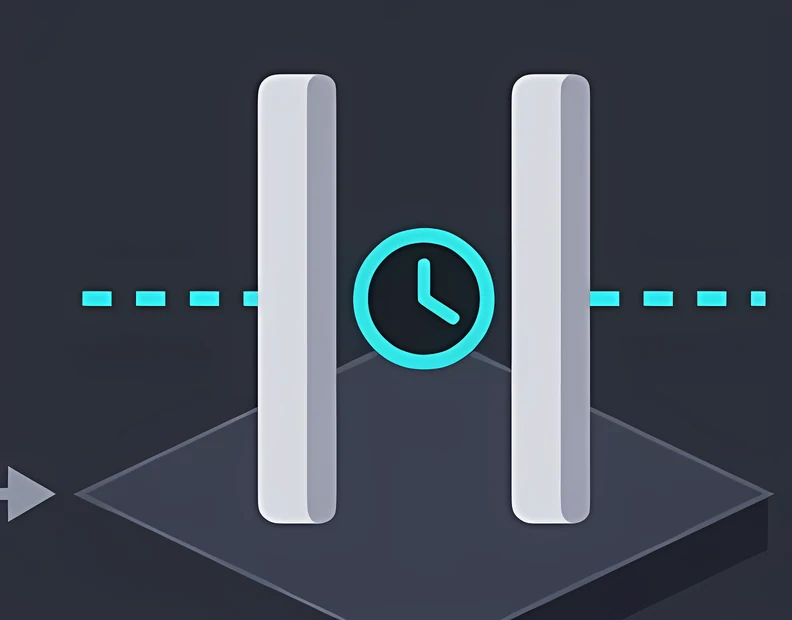
Transfer is the difference between an asset that moved and an asset that left. Step through it, or play it through.
Step 1 of 4
A finance team needs to export a sensitive dataset to a sanctioned analytics environment.
Step 2 of 4
Rather than copying it through email, file shares or a personal device, the export is requested as a Transfer along a pre-agreed route.
Step 3 of 4
Validate checks the request, Lock confirms the authority, and the dataset moves to the agreed destination, with the movement logged as part of the evidence trail.
Step 4 of 4
The dataset arrives where it was supposed to and nowhere else.
Illustration.
Placement
Transfer is the only sanctioned way data crosses a severed boundary. Each movement is named, inventoried, validated and recorded against the named actor. Grounded in NIST CSF PR.DS-5, ISO 27001 A.5.14 Information Transfer and IEC 62443-3-3 SR 4.1, SR 4.2.
Relies on
ISO 27001 A.5.14
Scheduled, validated movement of operational data into the offline vault. Inventory and integrity are checked at both ends.

NIST CSF PR.IP-9
Restoration from the vault is a governed Transfer event with quorum approval and a full restore manifest.
NIST CSF PR.DS-5
Outbound transfers to named recipients carry an inventory, a hash and a recorded authorisation.
IEC 62443 SR 4.2
Data moving across a classification boundary is escorted by Transfer with the relevant approvals.
Capabilities
Six things FV-Transfer gives a security team, from the first decision to the audit afterwards.
FV-Transfer
Movement is limited to agreed routes, not whatever routes happen to be reachable.
FV-Transfer
Each transfer names where it comes from, where it goes and what it contains.
FV-Transfer
Validate checks the request before the asset moves, not afterwards.
FV-Transfer
Lock defines whose authority makes a transfer eligible.
FV-Transfer
The same controls apply to data entering, leaving or moving between protected environments.
FV-Transfer
The request, the approval and the outcome are all recorded through Archive.

Adoption guide
Four steps, piloted on one workflow before it extends across the estate.
Identify the sensitive-asset movements that actually occur, including the improvised ones.
Agree approved paths, destinations and authorities for each movement category.
Run one movement category through Transfer end to end, including Validate and Lock.
Move the remaining movements onto Transfer and close the improvised routes.
Playbooks
Each playbook shows where this module sits in a real deployment, who authorises it and how a pilot scales into rollout.
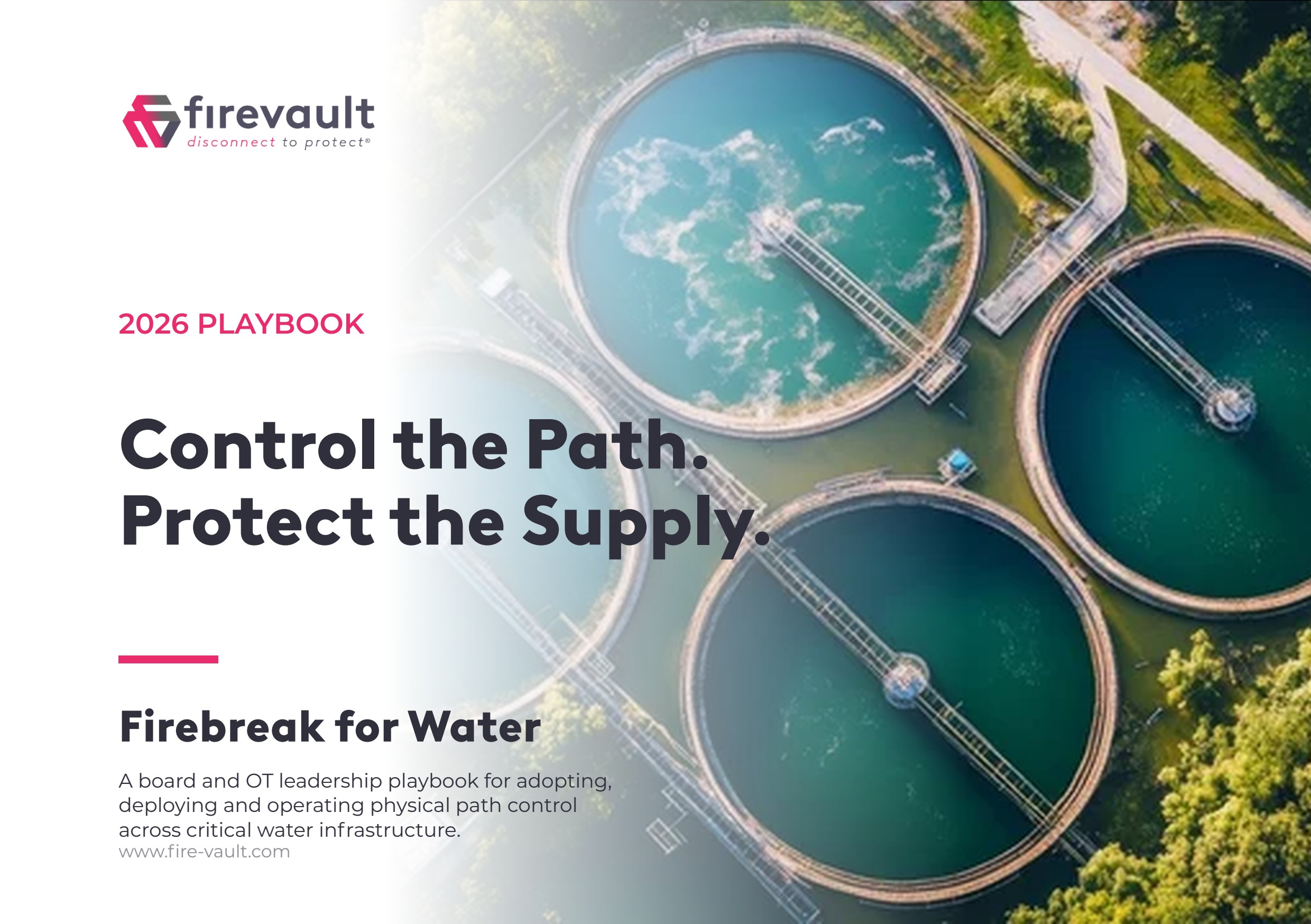
Covers approved paths for moving engineering files and telemetry in and out of protected environments.
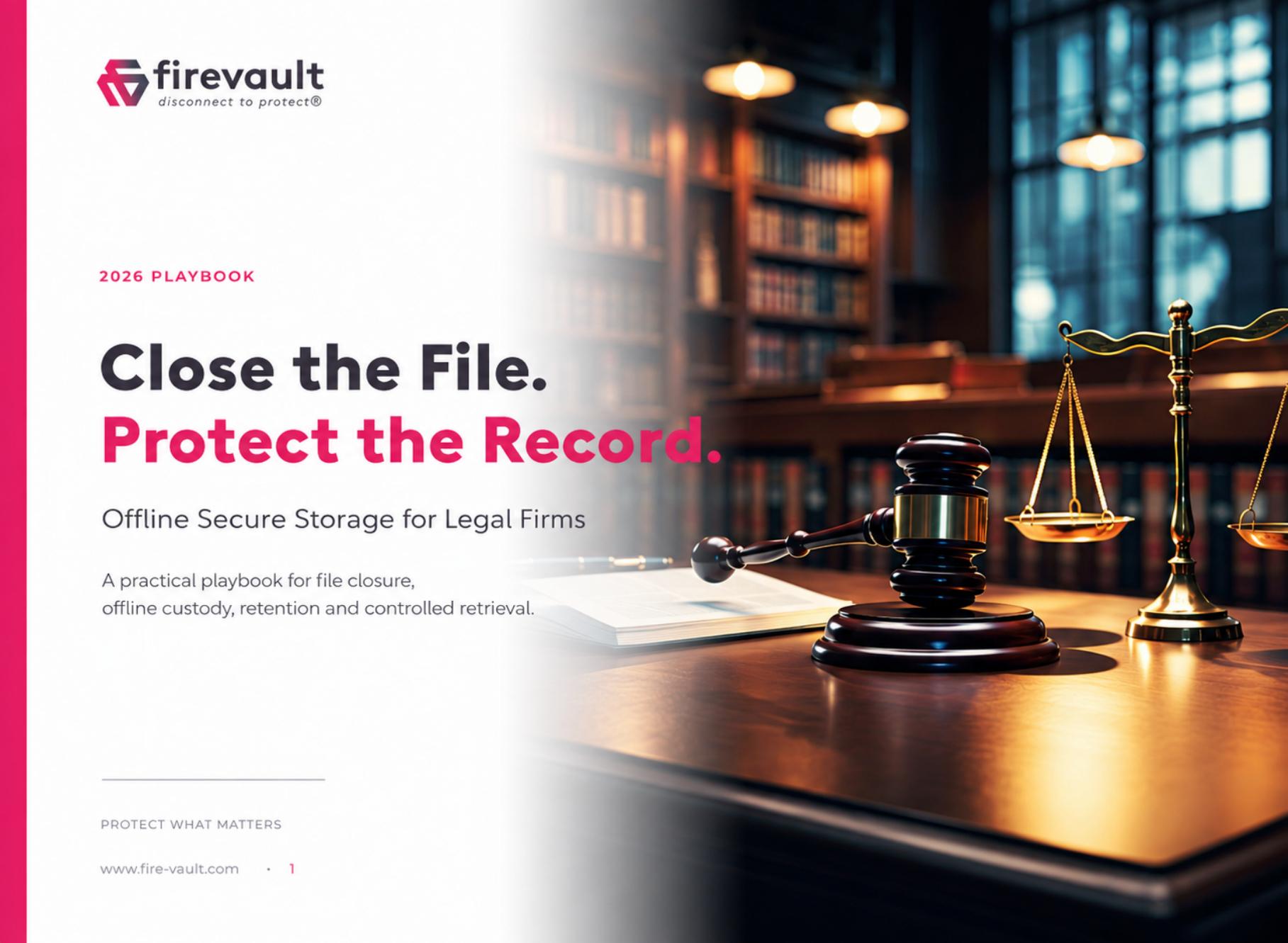
Read the playbookCovers controlled hand-over of closed files to clients, successors and archives.
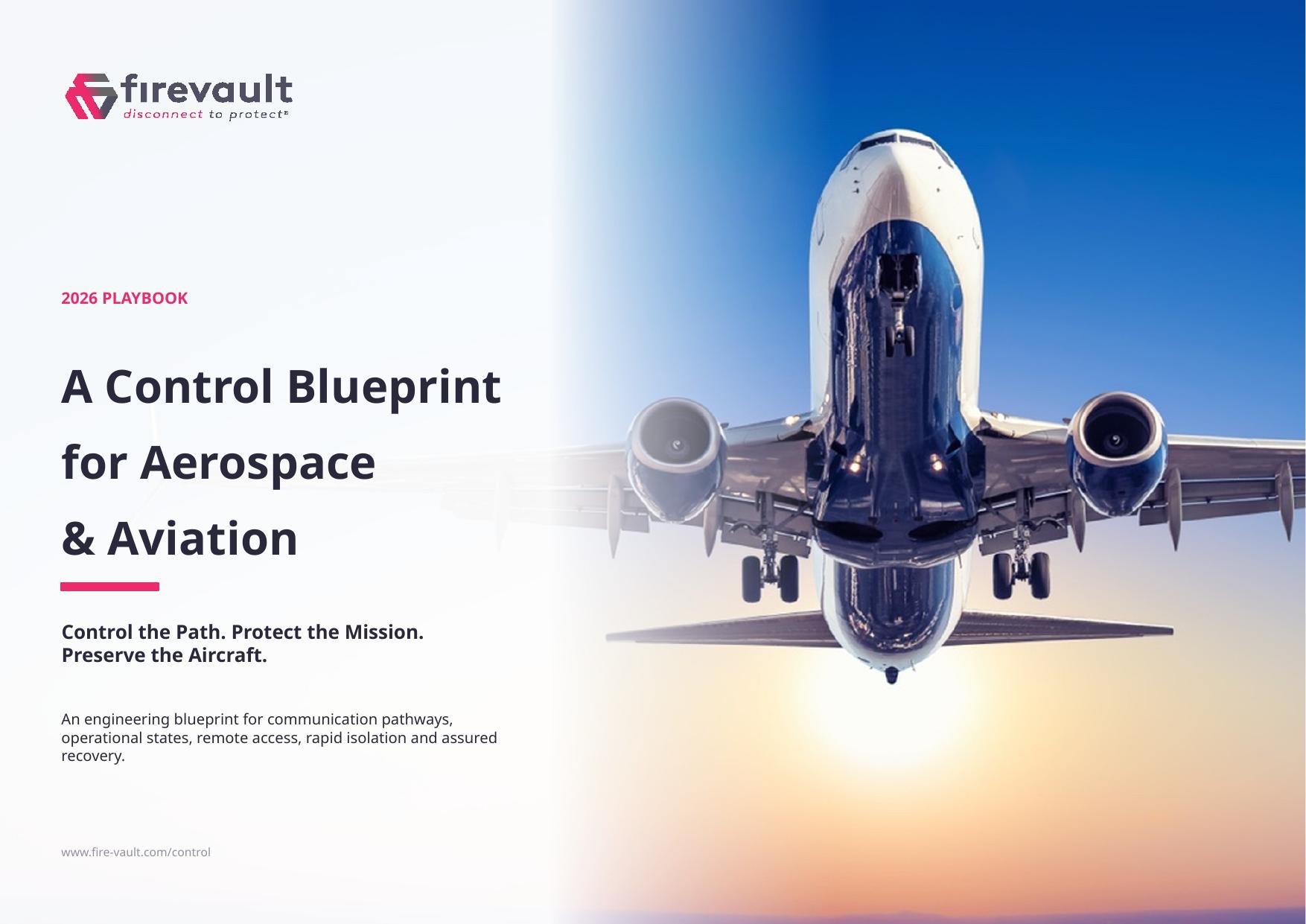
Read the playbookApplies approved transfer paths to data moving between design, production and in-service environments.
Read the playbookExplore more
Questions
It governs sanctioned movement rather than watching for unsanctioned movement. Sensitive assets move only along approved paths, to explicit destinations, with each movement validated first and recorded through Archive.
The movement does not happen along that route. Destinations are agreed in advance for each movement category, and Validate checks the request before the asset moves.
Yes, as a request along an approved path. The point is to retire improvised routes, so even a one-off movement is named, validated and recorded.
Archive is the preserved store. Transfer is the governed path into and out of it: scheduled, validated movement into the offline vault, and restoration as a Transfer event with quorum approval and a full restore manifest.
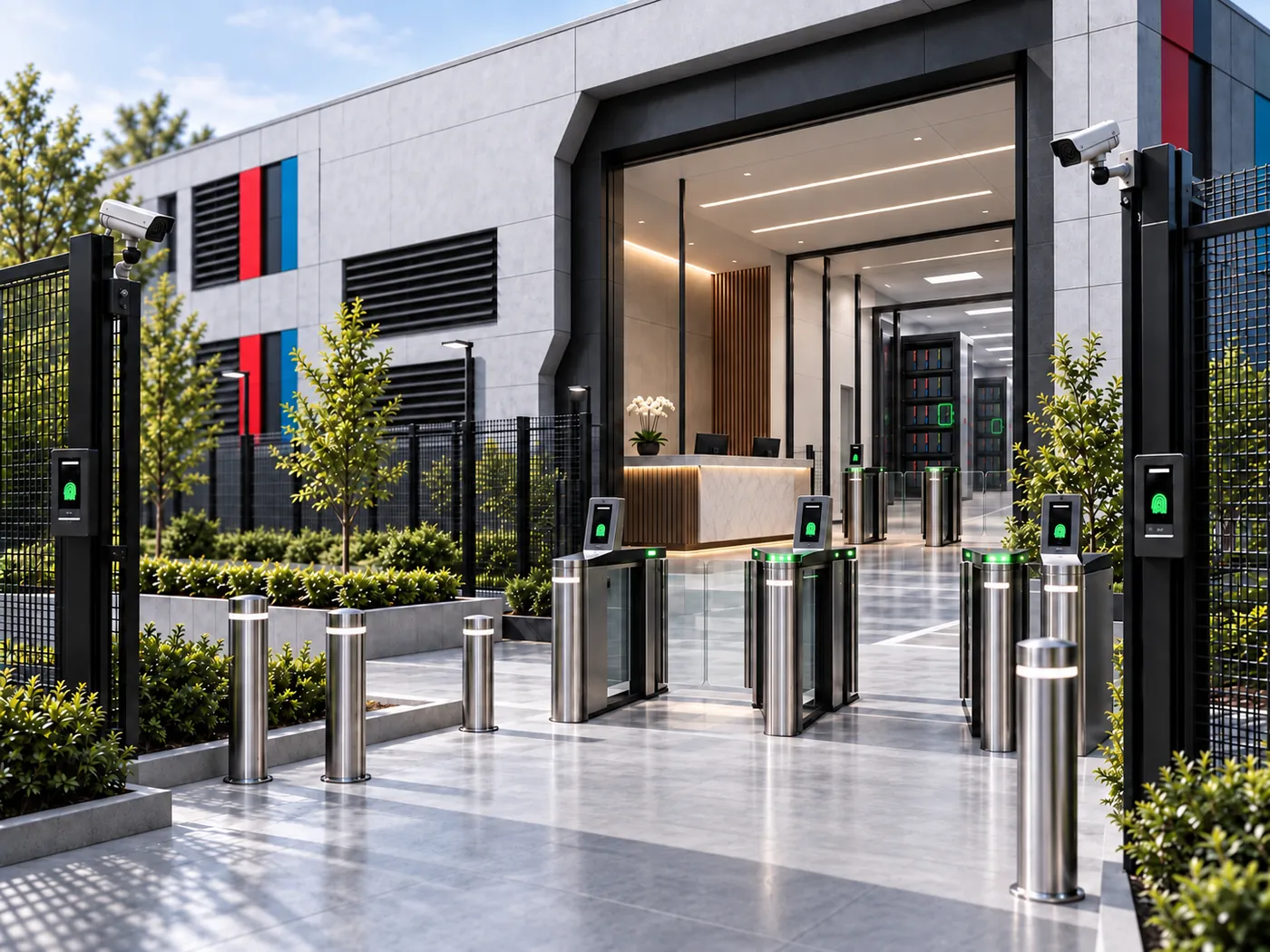
We will walk your architecture, show where FV-Transfer sits on each path, and the evidence it leaves behind.