

Why it matters
What this means for organisations holding critical data
We’ve grown comfortable with the idea of “the cloud”, a magical, invisible place where our photos, documents, and sensitive files live safely. But behind the…
We’ve grown comfortable with the idea of “the cloud”, a magical, invisible place where our photos, documents, and sensitive files live safely. But behind the marketing, the cloud is murky. It’s shared. It’s complicated. It’s foggy. And most of all, it’s not really yours.
When you upload to the cloud, your data enters a vast, interconnected system where visibility and control are diluted. You rely on third parties to keep your most important files safe, while they often mine metadata, log access, and expose your information to potential breaches.
FireVault rejects this model entirely. It doesn’t live in the cloud. It doesn’t connect to the internet. It gives you one thing the cloud never can, total, personal control. Your files aren’t just stored; they’re locked away, physically unreachable, until you say otherwise.
In a world of fog, FireVault is clarity. No third-party access. No shared infrastructure. Just your data, yours alone.
How Firevault would handle this
Access decided by you, not assumed by the network
Control by Firevault removes standing pathways and replaces them with connection windows you approve, so stolen credentials and compromised suppliers have nothing standing to abuse.
Related Reading
You may also find these useful

Firevault Awarded Cyber Essentials and Cyber Essentials Plus Certification
Firevault has been awarded Cyber Essentials and Cyber Essentials Plus certification, the UK Government-backed scheme run by the NCSC, following an independent technical audit of its systems and controls.

Russian hackers steal UK government logins: why offline vaults change the equation
The Telegraph reports that Russian-linked hackers have harvested UK government login credentials and traded them on dark-web forums. The incident is a reminder that credentials, however well protected in the cloud, remain the single point of failure that offline data vaults are designed to remove.
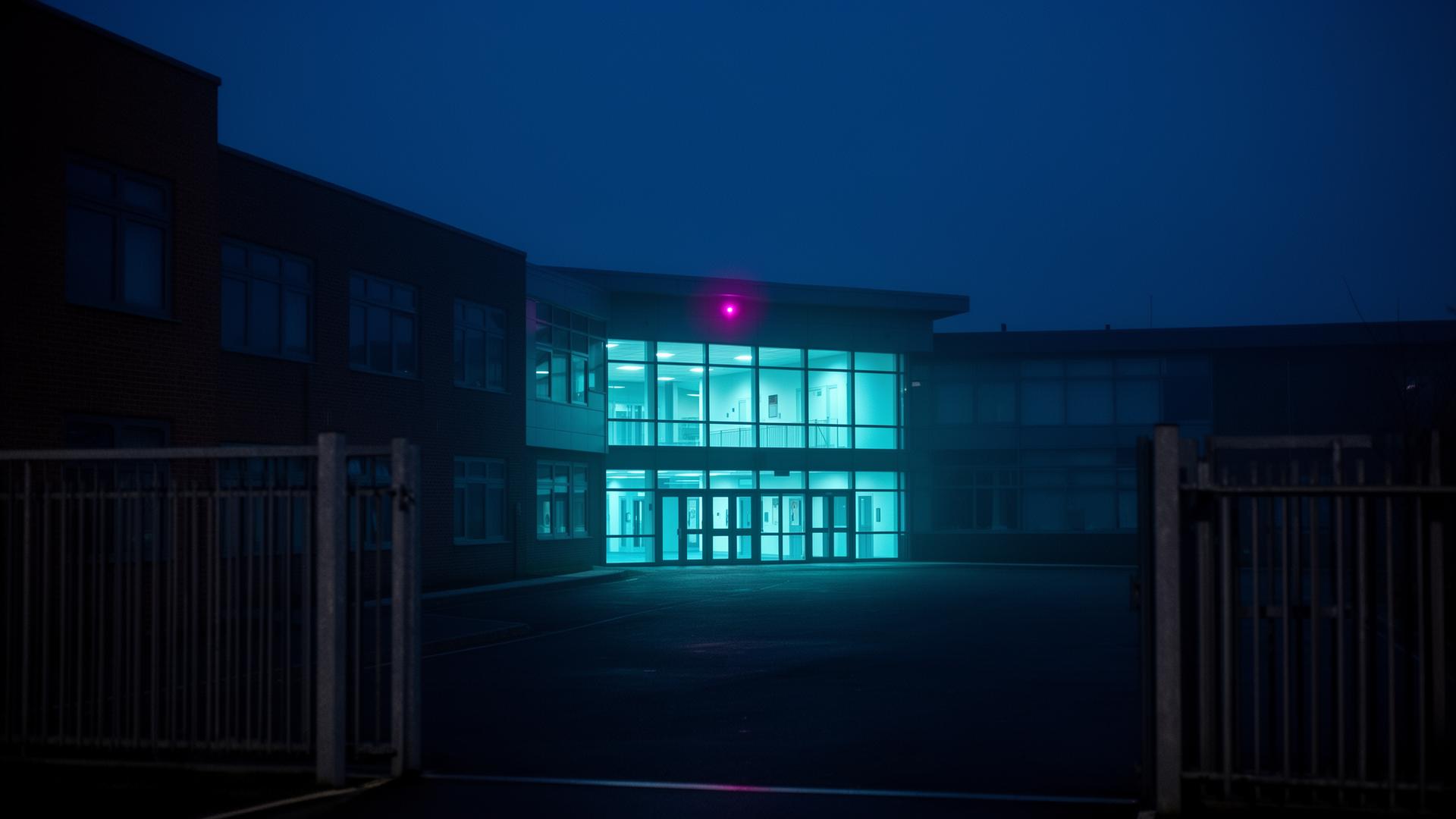
Great Marlow School partially closed after cyber attack
A malware incident has shut down ICT systems at Great Marlow School in Buckinghamshire, cancelling lessons and silencing parent communications. Here is what it tells us.
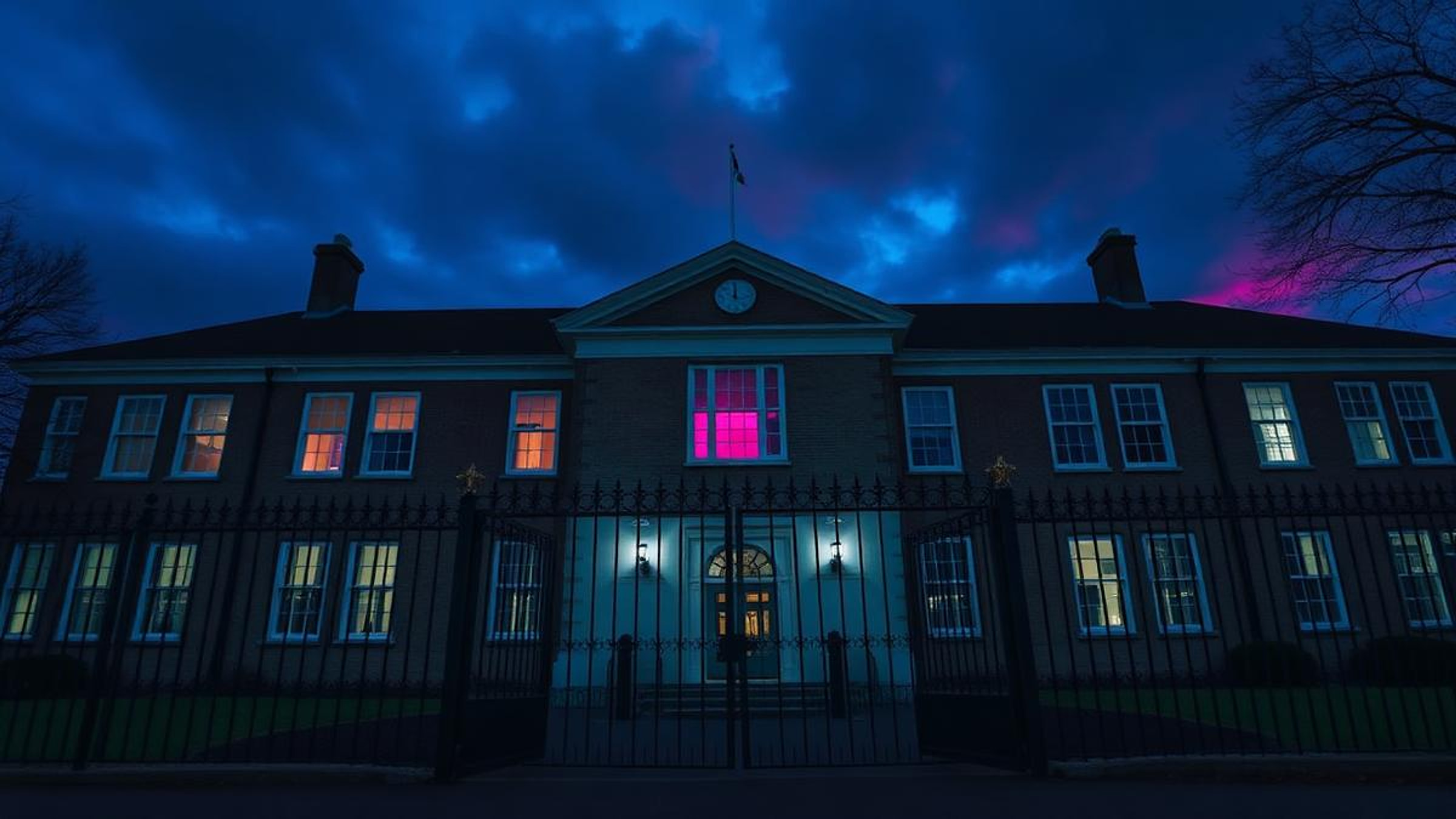
School Ransomware: Files Must Live Offline
St Anne's Catholic School in Southampton was shut for four days after ransomware hit its network. It is not the first school to be targeted. From nurseries to councils, sensitive safeguarding data remains dangerously exposed on connected systems.
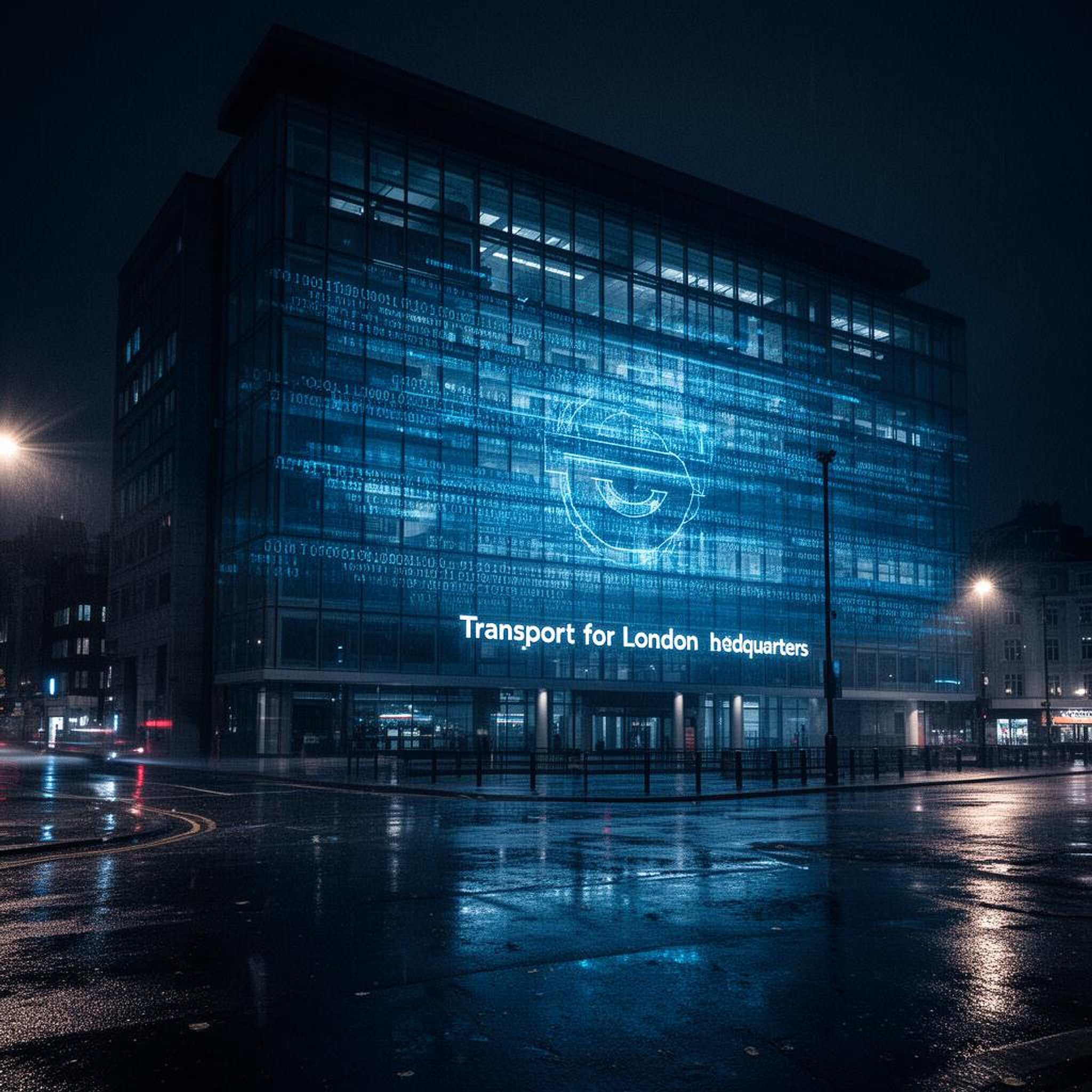
TfL Hack: 10 Million Records Stolen
Transport for London has confirmed that around 10 million customer records were stolen during the 2024 Scattered Spider cyber attack, making it one of the largest data breaches in British history. The revelation raises urgent questions about transparency, regulatory accountability and the case for offline secure storage.
Firevault: 2025 Tech Trailblazers Shortlist
We’re proud to announce that Firevault Limited has been shortlisted for the 2025 Tech Trailblazers Awards, recognised in the Firestarter category. For a young…