Management plane
Out-of-band management
IPMI, BMC and console access are permanently reachable and often the least monitored plane in the estate.

Control need · Data centre and colocation exposure
Colocation gives you space, power and connectivity. It also brings shared fabric, provider engineers, remote hands and out-of-band management planes. Physical Control governs which of those routes exists, and when.
As featured in
'%3e%3cpath%20fill='%23E40784'%20d='M141.363%2026.6a5.905%205.905%200%200%201-5.899-5.9%205.905%205.905%200%200%201%205.899-5.895%205.901%205.901%200%200%201%205.895%205.895%205.9%205.9%200%200%201-5.895%205.9Zm0-8.347a2.448%202.448%200%200%200%200%204.895%202.449%202.449%200%200%200%202.447-2.448%202.449%202.449%200%200%200-2.447-2.447ZM141.363%200c-.821%200-1.638.052-2.447.144v3.731a16.897%2016.897%200%200%201%202.447-.177c9.373%200%2017.002%207.626%2017.002%2017.002%200%20.825-.063%201.642-.177%202.448h3.732c.095-.81.143-1.627.143-2.448%200-11.411-9.285-20.7-20.7-20.7Z'/%3e%3cpath%20fill='%23E40784'%20d='M141.363%207.268c-.825%200-1.645.077-2.447.228v3.787a9.733%209.733%200%200%201%202.447-.313c5.369%200%209.734%204.368%209.734%209.734%200%20.832-.107%201.652-.313%202.447h3.783c.151-.802.228-1.623.228-2.447.004-7.412-6.024-13.436-13.432-13.436Z'/%3e%3cpath%20fill='%230F1729'%20d='M71.382%207.537h-2.84a5.82%205.82%200%200%200-5.815%205.818v9.785h4.037v-9.789a1.78%201.78%200%200%201%201.777-1.777h2.841V7.537ZM80.539%2019.1a3.787%203.787%200%200%201-3.783-3.784%203.787%203.787%200%200%201%203.783-3.783%203.787%203.787%200%200%201%203.783%203.784%203.787%203.787%200%200%201-3.783%203.783Zm0-11.6c-4.313%200-7.82%203.507-7.82%207.82%200%204.313%203.507%207.82%207.82%207.82%201.372%200%202.66-.357%203.78-.982v.982h4.036V15.32c.004-4.313-3.503-7.82-7.816-7.82ZM41.806%2018.71a5.512%205.512%200%200%201-4.34%202.1%205.55%205.55%200%200%201-5.541-5.541%205.55%205.55%200%200%201%205.542-5.543c1.696%200%203.279.766%204.339%202.102l.088.114%201.656-1.656-.077-.092a7.865%207.865%200%200%200-6.01-2.797c-4.339%200-7.871%203.533-7.871%207.872s3.532%207.871%207.871%207.871a7.865%207.865%200%200%200%206.01-2.797l.077-.091-1.656-1.656-.088.113ZM19.479%207.397c-4.34%200-7.872%203.53-7.872%207.872%200%204.342%203.533%207.871%207.872%207.871a7.883%207.883%200%200%200%207.205-4.71l.081-.18H24.15l-.037.058a5.543%205.543%200%200%201-10.05-1.873h13.2l.015-.11c.048-.357.073-.714.073-1.053%200-4.346-3.529-7.875-7.871-7.875Zm-5.417%206.705a5.54%205.54%200%200%201%205.417-4.376%205.54%205.54%200%200%201%205.417%204.376H14.06ZM46.192%2023.14h2.33v-8.847a4.599%204.599%200%200%201%204.593-4.592%204.599%204.599%200%200%201%204.592%204.592v8.844h2.33v-9.149h-.008a6.887%206.887%200%200%200-2.082-4.648%206.89%206.89%200%200%200-4.832-1.972%206.863%206.863%200%200%200-4.593%201.751V.545h-2.33V23.14ZM2.686%207.393H0v2.33h2.686v8.471a4.944%204.944%200%200%200%204.94%204.939h2.435v-2.33H7.625a2.613%202.613%200%200%201-2.609-2.612V9.726h3.772v-2.33H5.016V1.84h-2.33v5.553ZM101.968%208.457a7.721%207.721%200%200%200-2.547-.858c-.088-.014-.177-.03-.265-.04-.1-.011-.199-.022-.302-.03a9.993%209.993%200%200%200-.574-.029c-.022%200-.04-.004-.062-.004h-.037c-4.313%200-7.82%203.507-7.82%207.82%200%204.313%203.507%207.82%207.82%207.82h.037c.25%200%20.496-.014.743-.04l.037-.003a7.742%207.742%200%200%200%203.003-.939v.979h4.037L106.005.537h-4.037v7.92Zm0%206.863a3.788%203.788%200%200%201-3.769%203.78%203.786%203.786%200%200%201-3.76-3.78c0-2.08%201.688-3.772%203.764-3.78a3.787%203.787%200%200%201%203.765%203.78ZM119.75%2023.11h4.037V15.299c-.011-4.302-3.515-7.798-7.82-7.798-4.313%200-7.821%203.507-7.821%207.82%200%204.313%203.508%207.82%207.821%207.82%201.372%200%202.66-.357%203.783-.982v.953Zm-3.783-4.01a3.786%203.786%200%200%201-3.783-3.784%203.786%203.786%200%200%201%203.783-3.783%203.79%203.79%200%200%201%203.783%203.78v.003a3.787%203.787%200%200%201-3.783%203.784ZM132.273%207.5a5.824%205.824%200%200%200-5.818%205.818v9.822h4.037v-9.822a1.78%201.78%200%200%201%201.777-1.777h2.841V7.5h-2.837ZM173.736%2020.807a5.534%205.534%200%200%201-5.527-5.527%205.534%205.534%200%200%201%205.527-5.528%205.535%205.535%200%200%201%205.528%205.528%205.535%205.535%200%200%201-5.528%205.527Zm0-13.399a7.852%207.852%200%200%200-5.527%202.274V7.393h-2.344V30h2.344v-9.127a7.836%207.836%200%200%200%205.527%202.275c4.339%200%207.872-3.533%207.872-7.872s-3.533-7.868-7.872-7.868ZM186.735%2023.14h-2.385v-9.81a5.84%205.84%200%200%201%205.833-5.834h2.848v2.385h-2.848a3.45%203.45%200%200%200-3.448%203.448v9.811ZM202.813%209.774a5.535%205.535%200%200%200-5.528%205.528%205.535%205.535%200%200%200%205.528%205.527%205.534%205.534%200%200%200%205.527-5.527%205.534%205.534%200%200%200-5.527-5.528Zm0%2013.4c-4.339%200-7.872-3.533-7.872-7.872%200-4.34%203.533-7.872%207.872-7.872s7.872%203.53%207.872%207.872c0%204.339-3.533%207.871-7.872%207.871Z'/%3e%3c/g%3e%3cdefs%3e%3cclipPath%20id='a'%3e%3cpath%20fill='%230F1729'%20d='M0%200h210.68v30H0z'/%3e%3c/clipPath%3e%3c/defs%3e%3c/svg%3e)




What is exposed
Most data centre risk is not about the building. It is about the standing paths that make remote operation convenient.
Management plane
IPMI, BMC and console access are permanently reachable and often the least monitored plane in the estate.
Provider access
Provider staff can physically touch equipment on request, with the record held by the provider.
Cross-connects
Cross-connects, shared switching and provider services create routes you did not design.
Replication
Replication paths between sites stay open continuously, so an attack propagates with the data.
Lifecycle
Decommissioned disks and appliances leave the floor holding data that was never accounted for.
Shared space
Controls that hold in a private facility do not always hold where other tenants share the same space.
Why the exposure exists
Colocation exists so that people do not have to travel. Every convenience that supports that becomes a standing route.
The honest position
A colocation contract describes what the provider will and will not do. It does not decide which routes into your racks exist.
Control the path, protect the asset.
Which paths need controlling
Data centre exposure becomes manageable the moment the routes are named rather than assumed. Switch between today and with Control.
Who uses itInfrastructure team
How it behaves todayAlways reachableWhat Control governsWindow opened for named maintenance, then closed
Who uses itFacility staff
How it behaves todayOn request, provider-loggedWhat Control governsApproved, time-bound and evidenced on your side too
Who uses itProvider and partners
How it behaves todayPersistentWhat Control governsDocumented crossings with physical enforcement
Who uses itPlatform team
How it behaves todayContinuousWhat Control governsScheduled transfer with a disconnected gold copy
Who uses itHardware suppliers
How it behaves todayStanding accountsWhat Control governsValidated request, opened window, automatic close
This is a list a provider cannot write for you. It describes your estate, not their facility.
What physical Control changes
Physical Control sits in the path itself, so a management plane or cross-connect is not simply firewalled. It is absent between windows.
Today
Every convenience route is available at all times.
With Control
Routes are opened deliberately and close on their own.
If the route is not there, neither the provider nor an attacker can use it.Connected when approved. Disconnected by default.
The Control philosophy
Control is physical, or it is only a policy. Software can be told to deny a connection. Physical Control removes the connection itself, so the denial does not depend on the system behaving as configured.
Every incident that spreads does so along a connection that was already there. Control begins by naming that connection in plain language, before anyone talks about products.
A path that exists only when it is needed cannot be used at three in the morning by someone who should not have it. Disconnection is the resting state, not the emergency response.
When work genuinely needs a connection, Control opens it for a named person, a stated purpose and a fixed period, then closes it again without anyone having to remember.
A policy says the path should be closed. Physical control shows that it is. That difference is what auditors, insurers and boards are actually asking about.
Where this goes next
Data centre and colocation exposure spans two patterns: enforcing the boundary between zones, and keeping critical systems available while disconnected from unnecessary routes.
 CP-04 Enforce Physical Segmentation
Segmentation should not just be logical. It should be physically enforceable. Segmentation should not just be logical. It should be physically enforceable.
What the Blueprint adds
 Also relevant: CP-05 Protect Critical Infrastructure
Keep critical systems available, controlled and disconnected from unnecessary exposure.
 A different job
Holding a recovery copy that no route can reach is a different job. Offline Secure Storage keeps a disconnected gold copy outside the facility’s connected estate.
Lead module
Physically opens or closes connection paths to prevent unauthorised access and stop attack progression.
Read FV-Firebreak
Lead module
Separates systems and networks into controlled zones to reduce lateral movement and enforce trust boundaries.
Read FV-Isolate
Lead module
Removes persistent connections, live dependencies and inherited trust that keep sensitive assets exposed.
Read FV-Unlink
Questions
No. Access is still remote. It exists inside a window opened for a named person and purpose, rather than continuously.
Certifications cover the building and process, not the specific connections your estate depends on. Control gives you your own evidence trail, independent of the provider.
Management access opens inside a window for a named person and purpose, approved and recorded, rather than being reachable continuously.
Yes. Replication to a second site becomes a scheduled transfer, with a gold copy held physically disconnected, rather than a path that stays open around the clock.
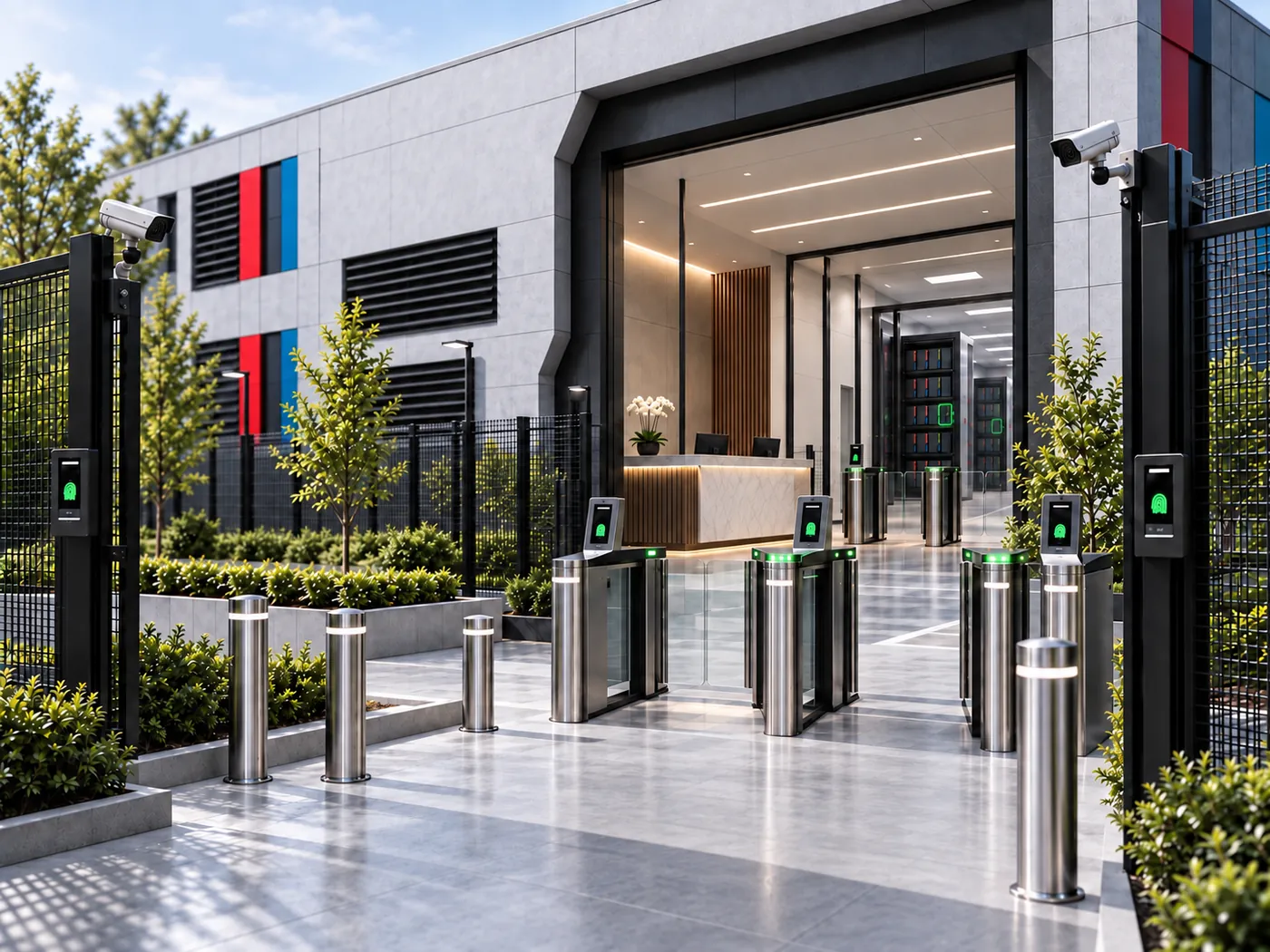
CP-04 Enforce Physical Segmentation and CP-05 Protect Critical Infrastructure set out how those routes are separated, opened and evidenced.