






Problem 1
Lateral movement.
Once an attacker is inside a flat or weakly segmented environment, the next system, the next share and the next credential are all one step away.


 Control module · Fire layer
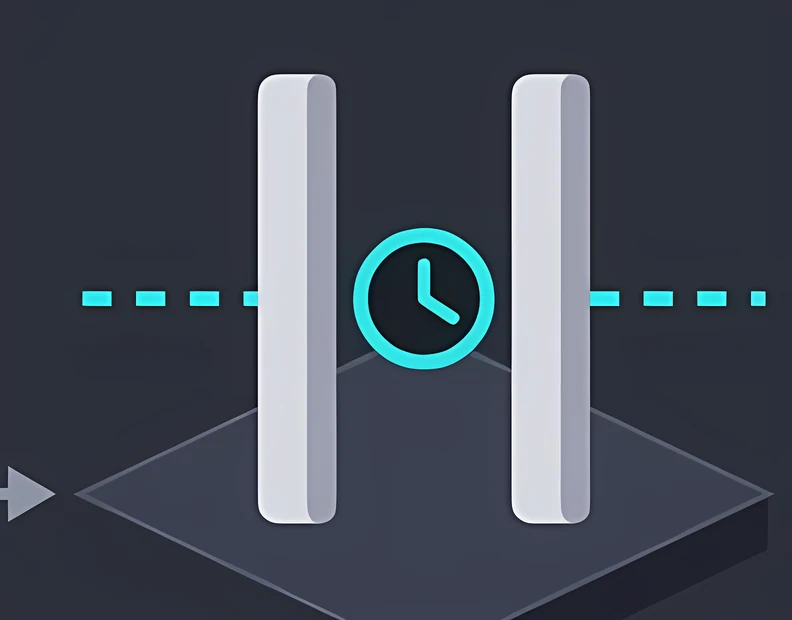
Isolate divides systems and networks into controlled zones so a problem in one place cannot freely become a problem everywhere. Trust does not extend across a boundary unless the boundary is intentionally opened for a defined purpose.
As featured in
'%3e%3cpath%20fill='%23E40784'%20d='M141.363%2026.6a5.905%205.905%200%200%201-5.899-5.9%205.905%205.905%200%200%201%205.899-5.895%205.901%205.901%200%200%201%205.895%205.895%205.9%205.9%200%200%201-5.895%205.9Zm0-8.347a2.448%202.448%200%200%200%200%204.895%202.449%202.449%200%200%200%202.447-2.448%202.449%202.449%200%200%200-2.447-2.447ZM141.363%200c-.821%200-1.638.052-2.447.144v3.731a16.897%2016.897%200%200%201%202.447-.177c9.373%200%2017.002%207.626%2017.002%2017.002%200%20.825-.063%201.642-.177%202.448h3.732c.095-.81.143-1.627.143-2.448%200-11.411-9.285-20.7-20.7-20.7Z'/%3e%3cpath%20fill='%23E40784'%20d='M141.363%207.268c-.825%200-1.645.077-2.447.228v3.787a9.733%209.733%200%200%201%202.447-.313c5.369%200%209.734%204.368%209.734%209.734%200%20.832-.107%201.652-.313%202.447h3.783c.151-.802.228-1.623.228-2.447.004-7.412-6.024-13.436-13.432-13.436Z'/%3e%3cpath%20fill='%230F1729'%20d='M71.382%207.537h-2.84a5.82%205.82%200%200%200-5.815%205.818v9.785h4.037v-9.789a1.78%201.78%200%200%201%201.777-1.777h2.841V7.537ZM80.539%2019.1a3.787%203.787%200%200%201-3.783-3.784%203.787%203.787%200%200%201%203.783-3.783%203.787%203.787%200%200%201%203.783%203.784%203.787%203.787%200%200%201-3.783%203.783Zm0-11.6c-4.313%200-7.82%203.507-7.82%207.82%200%204.313%203.507%207.82%207.82%207.82%201.372%200%202.66-.357%203.78-.982v.982h4.036V15.32c.004-4.313-3.503-7.82-7.816-7.82ZM41.806%2018.71a5.512%205.512%200%200%201-4.34%202.1%205.55%205.55%200%200%201-5.541-5.541%205.55%205.55%200%200%201%205.542-5.543c1.696%200%203.279.766%204.339%202.102l.088.114%201.656-1.656-.077-.092a7.865%207.865%200%200%200-6.01-2.797c-4.339%200-7.871%203.533-7.871%207.872s3.532%207.871%207.871%207.871a7.865%207.865%200%200%200%206.01-2.797l.077-.091-1.656-1.656-.088.113ZM19.479%207.397c-4.34%200-7.872%203.53-7.872%207.872%200%204.342%203.533%207.871%207.872%207.871a7.883%207.883%200%200%200%207.205-4.71l.081-.18H24.15l-.037.058a5.543%205.543%200%200%201-10.05-1.873h13.2l.015-.11c.048-.357.073-.714.073-1.053%200-4.346-3.529-7.875-7.871-7.875Zm-5.417%206.705a5.54%205.54%200%200%201%205.417-4.376%205.54%205.54%200%200%201%205.417%204.376H14.06ZM46.192%2023.14h2.33v-8.847a4.599%204.599%200%200%201%204.593-4.592%204.599%204.599%200%200%201%204.592%204.592v8.844h2.33v-9.149h-.008a6.887%206.887%200%200%200-2.082-4.648%206.89%206.89%200%200%200-4.832-1.972%206.863%206.863%200%200%200-4.593%201.751V.545h-2.33V23.14ZM2.686%207.393H0v2.33h2.686v8.471a4.944%204.944%200%200%200%204.94%204.939h2.435v-2.33H7.625a2.613%202.613%200%200%201-2.609-2.612V9.726h3.772v-2.33H5.016V1.84h-2.33v5.553ZM101.968%208.457a7.721%207.721%200%200%200-2.547-.858c-.088-.014-.177-.03-.265-.04-.1-.011-.199-.022-.302-.03a9.993%209.993%200%200%200-.574-.029c-.022%200-.04-.004-.062-.004h-.037c-4.313%200-7.82%203.507-7.82%207.82%200%204.313%203.507%207.82%207.82%207.82h.037c.25%200%20.496-.014.743-.04l.037-.003a7.742%207.742%200%200%200%203.003-.939v.979h4.037L106.005.537h-4.037v7.92Zm0%206.863a3.788%203.788%200%200%201-3.769%203.78%203.786%203.786%200%200%201-3.76-3.78c0-2.08%201.688-3.772%203.764-3.78a3.787%203.787%200%200%201%203.765%203.78ZM119.75%2023.11h4.037V15.299c-.011-4.302-3.515-7.798-7.82-7.798-4.313%200-7.821%203.507-7.821%207.82%200%204.313%203.508%207.82%207.821%207.82%201.372%200%202.66-.357%203.783-.982v.953Zm-3.783-4.01a3.786%203.786%200%200%201-3.783-3.784%203.786%203.786%200%200%201%203.783-3.783%203.79%203.79%200%200%201%203.783%203.78v.003a3.787%203.787%200%200%201-3.783%203.784ZM132.273%207.5a5.824%205.824%200%200%200-5.818%205.818v9.822h4.037v-9.822a1.78%201.78%200%200%201%201.777-1.777h2.841V7.5h-2.837ZM173.736%2020.807a5.534%205.534%200%200%201-5.527-5.527%205.534%205.534%200%200%201%205.527-5.528%205.535%205.535%200%200%201%205.528%205.528%205.535%205.535%200%200%201-5.528%205.527Zm0-13.399a7.852%207.852%200%200%200-5.527%202.274V7.393h-2.344V30h2.344v-9.127a7.836%207.836%200%200%200%205.527%202.275c4.339%200%207.872-3.533%207.872-7.872s-3.533-7.868-7.872-7.868ZM186.735%2023.14h-2.385v-9.81a5.84%205.84%200%200%201%205.833-5.834h2.848v2.385h-2.848a3.45%203.45%200%200%200-3.448%203.448v9.811ZM202.813%209.774a5.535%205.535%200%200%200-5.528%205.528%205.535%205.535%200%200%200%205.528%205.527%205.534%205.534%200%200%200%205.527-5.527%205.534%205.534%200%200%200-5.527-5.528Zm0%2013.4c-4.339%200-7.872-3.533-7.872-7.872%200-4.34%203.533-7.872%207.872-7.872s7.872%203.53%207.872%207.872c0%204.339-3.533%207.871-7.872%207.871Z'/%3e%3c/g%3e%3cdefs%3e%3cclipPath%20id='a'%3e%3cpath%20fill='%230F1729'%20d='M0%200h210.68v30H0z'/%3e%3c/clipPath%3e%3c/defs%3e%3c/svg%3e)




The problem
Separation is a design decision. Without it, every incident has the run of the building.
A compromise in one zone is contained to the surface that zone exposes, rather than the whole estate.
Zone membership accounts for the identity making the request, not just the address it came from.
Zones are designed against operational reality, not inherited from the way switches happened to be wired.
Problem 1
Once an attacker is inside a flat or weakly segmented environment, the next system, the next share and the next credential are all one step away.

Problem 2
Permissions that exist only because two systems sit on the same subnet are permissions nobody chose to grant.
Answered byIdentity-aware boundariesProblem 3
Logical segmentation drifts as services are added, integrations are wired in and exceptions accumulate, until the original boundary is no longer the real boundary.
The scenario
Isolate is the difference between an incident in one room and an incident in the whole building. Step through it, or play it through.
Step 1 of 4
A workstation in a corporate zone is compromised through a credential reuse attack.
Step 2 of 4
Because the corporate zone is isolated from the operations zone and from the records zone, the attacker’s reach is limited to what is intentionally exposed to corporate, which is little.
Step 3 of 4
Investigation, eradication and recovery proceed in the affected zone while the other zones continue to operate.
Step 4 of 4
Cross-zone access for the responders is requested explicitly rather than already being available by default.
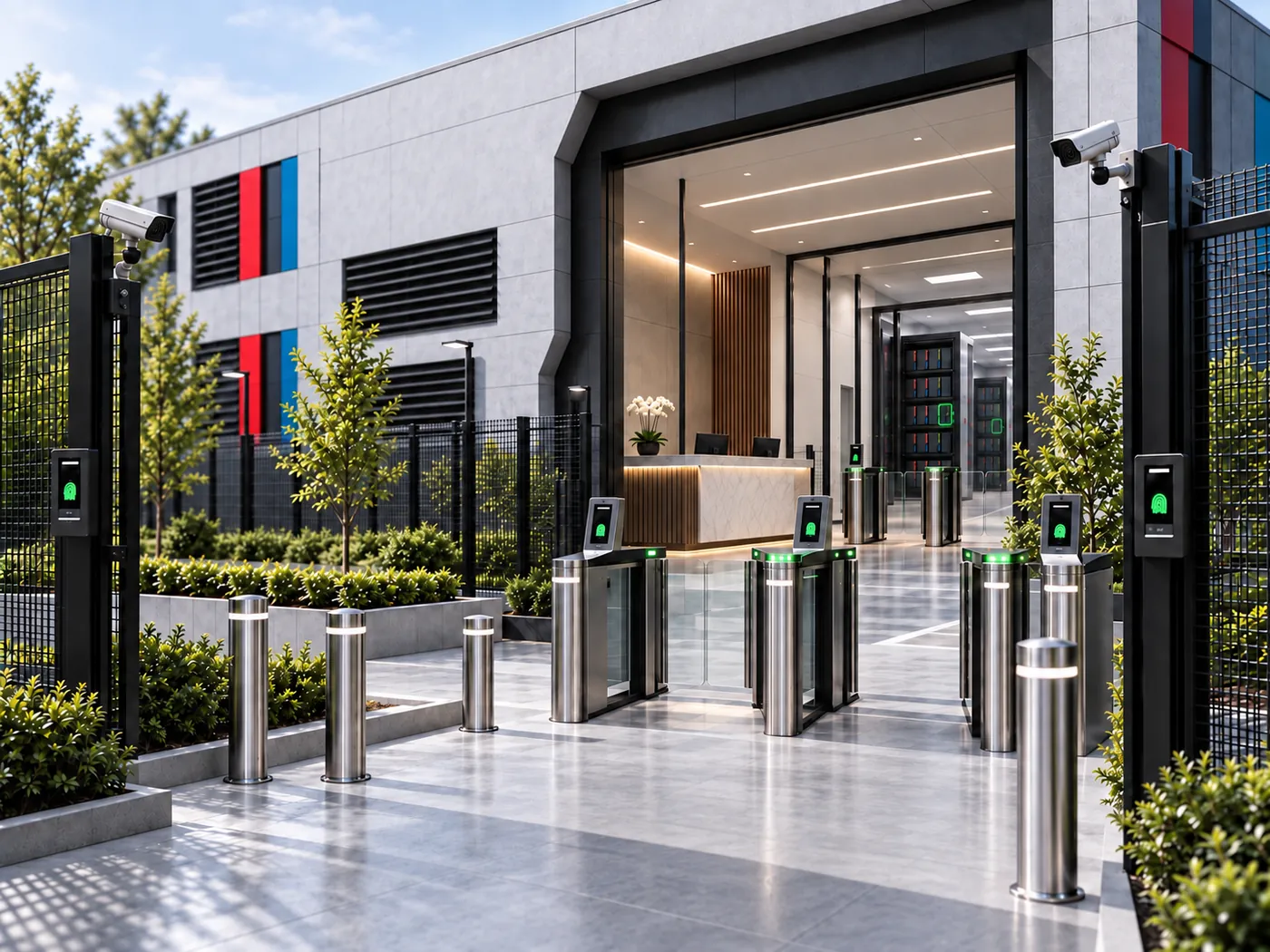
Illustration.
Placement
Isolate enforces the zone and conduit model. Each protected zone is reachable only through a named conduit, and only when the conduit is authorised to be open. Grounded in IEC 62443-3-3 SR 5.1, SR 5.2 and SR 5.3, NIST SP 800-82 zone guidance and the Purdue Enterprise Reference Architecture.
Relies on
IEC 62443 SR 5.1
Defines the perimeter of the enterprise zone. Cross-zone traffic must use a declared conduit.

IEC 62443 SR 5.2
Holds the boundary between supervisory and process control. Engineering reach is named, not implicit.
IEC 61511
Keeps the SIS separated from basic process control. A compromise of BPCS does not reach the safety layer.
NIST CSF PR.IP-9
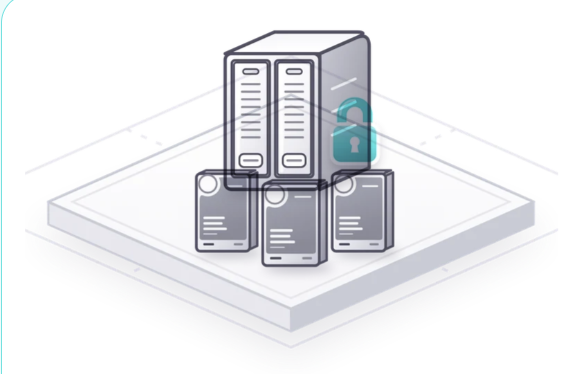
Recovery infrastructure sits in its own zone, reachable only when a restore operation is authorised.

Capabilities
Six things FV-Isolate gives a security team, from the first decision to the audit afterwards.
FV-Isolate
Zones are designed against operational reality, not inherited from the way switches happened to be wired.
FV-Isolate
Cross-zone traffic is not allowed unless a specific path, purpose and approval exist.
FV-Isolate
A compromise in one zone is contained to the surface that zone exposes, rather than the whole estate.
FV-Isolate
Each zone can be investigated, recovered and brought back online without waiting on the others.
FV-Isolate
Zone membership accounts for the identity making the request, not just the address it came from.
FV-Isolate
Boundary changes and cross-zone approvals are recorded through Archive on physically separate storage.

Adoption guide
Four steps, piloted on one workflow before it extends across the estate.
Identify the systems, services, identities and data flows that should sit together and those that should not.
Define zones around operational reality, with explicit ownership and explicit cross-zone rules.
Test the boundary with realistic scenarios, including credential abuse and inherited trust paths.
Run Isolate as part of normal change control and review crossings through Archive on a regular cadence.
Playbooks
Each playbook shows where this module sits in a real deployment, who authorises it and how a pilot scales into rollout.
Defines the zone model that path control operates between, from telemetry through to enterprise systems.
Read the playbookShows how zones are drawn between engineering, production and airside environments without disrupting flight operations.
Read the playbookSeparates model development, weights custody and production inference into controlled zones.
Read the playbookExplore more
Questions
It goes further. Logical segmentation drifts as services, integrations and exceptions accumulate. Isolate holds an explicit zone and conduit model, where each protected zone is reachable only through a named conduit, and only when that conduit is authorised to be open.
Zones are designed against operational reality, not inherited from the way switches happened to be wired. Adoption starts by mapping the systems, services, identities and data flows that should sit together and those that should not.
The crossing is requested, not assumed. Cross-zone traffic is allowed only when a specific path, purpose and approval exist, typically as a time-bound Relay session, and the approval is recorded through Archive.
Isolate runs as part of normal change control, with continuous evidence that each boundary is intact, and crossings reviewed through Archive on a regular cadence.
We will walk your architecture, show where FV-Isolate sits on each path, and the evidence it leaves behind.