Inherited risk
Their security posture, applied to you
A standing connection means their credential hygiene, patching and staff turnover become part of your risk position.

Control need · Third-party and supplier access
Maintenance contracts, support arrangements and integrations all arrive with a connection attached. Those connections outlive the projects that created them, and they are rarely reviewed with the same care as employee access. Control governs the relationship rather than trusting it.
As featured in
'%3e%3cpath%20fill='%23E40784'%20d='M141.363%2026.6a5.905%205.905%200%200%201-5.899-5.9%205.905%205.905%200%200%201%205.899-5.895%205.901%205.901%200%200%201%205.895%205.895%205.9%205.9%200%200%201-5.895%205.9Zm0-8.347a2.448%202.448%200%200%200%200%204.895%202.449%202.449%200%200%200%202.447-2.448%202.449%202.449%200%200%200-2.447-2.447ZM141.363%200c-.821%200-1.638.052-2.447.144v3.731a16.897%2016.897%200%200%201%202.447-.177c9.373%200%2017.002%207.626%2017.002%2017.002%200%20.825-.063%201.642-.177%202.448h3.732c.095-.81.143-1.627.143-2.448%200-11.411-9.285-20.7-20.7-20.7Z'/%3e%3cpath%20fill='%23E40784'%20d='M141.363%207.268c-.825%200-1.645.077-2.447.228v3.787a9.733%209.733%200%200%201%202.447-.313c5.369%200%209.734%204.368%209.734%209.734%200%20.832-.107%201.652-.313%202.447h3.783c.151-.802.228-1.623.228-2.447.004-7.412-6.024-13.436-13.432-13.436Z'/%3e%3cpath%20fill='%230F1729'%20d='M71.382%207.537h-2.84a5.82%205.82%200%200%200-5.815%205.818v9.785h4.037v-9.789a1.78%201.78%200%200%201%201.777-1.777h2.841V7.537ZM80.539%2019.1a3.787%203.787%200%200%201-3.783-3.784%203.787%203.787%200%200%201%203.783-3.783%203.787%203.787%200%200%201%203.783%203.784%203.787%203.787%200%200%201-3.783%203.783Zm0-11.6c-4.313%200-7.82%203.507-7.82%207.82%200%204.313%203.507%207.82%207.82%207.82%201.372%200%202.66-.357%203.78-.982v.982h4.036V15.32c.004-4.313-3.503-7.82-7.816-7.82ZM41.806%2018.71a5.512%205.512%200%200%201-4.34%202.1%205.55%205.55%200%200%201-5.541-5.541%205.55%205.55%200%200%201%205.542-5.543c1.696%200%203.279.766%204.339%202.102l.088.114%201.656-1.656-.077-.092a7.865%207.865%200%200%200-6.01-2.797c-4.339%200-7.871%203.533-7.871%207.872s3.532%207.871%207.871%207.871a7.865%207.865%200%200%200%206.01-2.797l.077-.091-1.656-1.656-.088.113ZM19.479%207.397c-4.34%200-7.872%203.53-7.872%207.872%200%204.342%203.533%207.871%207.872%207.871a7.883%207.883%200%200%200%207.205-4.71l.081-.18H24.15l-.037.058a5.543%205.543%200%200%201-10.05-1.873h13.2l.015-.11c.048-.357.073-.714.073-1.053%200-4.346-3.529-7.875-7.871-7.875Zm-5.417%206.705a5.54%205.54%200%200%201%205.417-4.376%205.54%205.54%200%200%201%205.417%204.376H14.06ZM46.192%2023.14h2.33v-8.847a4.599%204.599%200%200%201%204.593-4.592%204.599%204.599%200%200%201%204.592%204.592v8.844h2.33v-9.149h-.008a6.887%206.887%200%200%200-2.082-4.648%206.89%206.89%200%200%200-4.832-1.972%206.863%206.863%200%200%200-4.593%201.751V.545h-2.33V23.14ZM2.686%207.393H0v2.33h2.686v8.471a4.944%204.944%200%200%200%204.94%204.939h2.435v-2.33H7.625a2.613%202.613%200%200%201-2.609-2.612V9.726h3.772v-2.33H5.016V1.84h-2.33v5.553ZM101.968%208.457a7.721%207.721%200%200%200-2.547-.858c-.088-.014-.177-.03-.265-.04-.1-.011-.199-.022-.302-.03a9.993%209.993%200%200%200-.574-.029c-.022%200-.04-.004-.062-.004h-.037c-4.313%200-7.82%203.507-7.82%207.82%200%204.313%203.507%207.82%207.82%207.82h.037c.25%200%20.496-.014.743-.04l.037-.003a7.742%207.742%200%200%200%203.003-.939v.979h4.037L106.005.537h-4.037v7.92Zm0%206.863a3.788%203.788%200%200%201-3.769%203.78%203.786%203.786%200%200%201-3.76-3.78c0-2.08%201.688-3.772%203.764-3.78a3.787%203.787%200%200%201%203.765%203.78ZM119.75%2023.11h4.037V15.299c-.011-4.302-3.515-7.798-7.82-7.798-4.313%200-7.821%203.507-7.821%207.82%200%204.313%203.508%207.82%207.821%207.82%201.372%200%202.66-.357%203.783-.982v.953Zm-3.783-4.01a3.786%203.786%200%200%201-3.783-3.784%203.786%203.786%200%200%201%203.783-3.783%203.79%203.79%200%200%201%203.783%203.78v.003a3.787%203.787%200%200%201-3.783%203.784ZM132.273%207.5a5.824%205.824%200%200%200-5.818%205.818v9.822h4.037v-9.822a1.78%201.78%200%200%201%201.777-1.777h2.841V7.5h-2.837ZM173.736%2020.807a5.534%205.534%200%200%201-5.527-5.527%205.534%205.534%200%200%201%205.527-5.528%205.535%205.535%200%200%201%205.528%205.528%205.535%205.535%200%200%201-5.528%205.527Zm0-13.399a7.852%207.852%200%200%200-5.527%202.274V7.393h-2.344V30h2.344v-9.127a7.836%207.836%200%200%200%205.527%202.275c4.339%200%207.872-3.533%207.872-7.872s-3.533-7.868-7.872-7.868ZM186.735%2023.14h-2.385v-9.81a5.84%205.84%200%200%201%205.833-5.834h2.848v2.385h-2.848a3.45%203.45%200%200%200-3.448%203.448v9.811ZM202.813%209.774a5.535%205.535%200%200%200-5.528%205.528%205.535%205.535%200%200%200%205.528%205.527%205.534%205.534%200%200%200%205.527-5.527%205.534%205.534%200%200%200-5.527-5.528Zm0%2013.4c-4.339%200-7.872-3.533-7.872-7.872%200-4.34%203.533-7.872%207.872-7.872s7.872%203.53%207.872%207.872c0%204.339-3.533%207.871-7.872%207.871Z'/%3e%3c/g%3e%3cdefs%3e%3cclipPath%20id='a'%3e%3cpath%20fill='%230F1729'%20d='M0%200h210.68v30H0z'/%3e%3c/clipPath%3e%3c/defs%3e%3c/svg%3e)




What is exposed
A supplier relationship is a commercial arrangement with a technical consequence. This is what is exposed when that consequence is left ungoverned.
Inherited risk
A standing connection means their credential hygiene, patching and staff turnover become part of your risk position.
Orphaned access
Connections created for an implementation frequently remain live years after the supplier relationship changed or ended.
Excess privilege
Access granted for one system often carries network reach into others, because it was easier to grant broadly than precisely.
Governance gap
Asked which suppliers can reach which systems today, most organisations need days to answer, and the answer is rarely complete.
Why the exposure exists
Supplier access is created under delivery pressure and reviewed under audit pressure, which are two very different moments with two very different levels of scrutiny.
The honest position
Permanent access exists because the alternative has historically been friction. If opening a path takes a day of paperwork, teams will keep the path open permanently and tell themselves it is monitored. Control removes that trade-off by making the temporary path easy to open and automatic to close.
Control the path, protect the asset.
Which paths need controlling
Third-party risk becomes manageable the moment each relationship is expressed as a specific path with a specific lifetime. Switch between today and with Control.
Who uses itEquipment and software suppliers
How it behaves todayStanding remote access, often unmonitoredWhat Control governsOpened for an approved request, closed when the window ends
Who uses itOutsourced IT and security providers
How it behaves todayPersistent administrative reach across zonesWhat Control governsScoped to the systems in the contract, time-bound per engagement
Who uses itPartner platforms and applications
How it behaves todayAlways-on connection between estatesWhat Control governsDefined route with checks on what moves and when
Who uses itTemporary staff and implementation teams
How it behaves todayGranted at kick-off, removed inconsistentlyWhat Control governsExpires with the engagement without needing a manual step
How each window is requested, approved, brokered and recorded is Blueprint territory. What matters here is agreeing that these relationships should be paths with lifetimes rather than standing trust.
What physical Control changes
Control does not make supplier access harder to obtain. It makes supplier access hard to leave open by accident.
Today
The path exists permanently and is restrained by credentials, agreements and good intentions.
With Control
The path is created for an approved purpose, held open for a defined period and physically removed when that period ends.
Supply chain risk is not abstract. It is a list of connections you can name.Connected when approved. Disconnected by default.
The Control philosophy
Control is a way of thinking about connectivity before it is a product set.
Every incident that spreads does so along a connection that was already there. Control begins by naming that connection in plain language, before anyone talks about products.
A path that exists only when it is needed cannot be used at three in the morning by someone who should not have it. Disconnection is the resting state, not the emergency response.
When work genuinely needs a connection, Control opens it for a named person, a stated purpose and a fixed period, then closes it again without anyone having to remember.
A policy says the path should be closed. Physical control shows that it is. That difference is what auditors, insurers and boards are actually asking about.
Where this goes next
The Blueprint turns the agreed relationships into a working access pattern, including how requests are checked, how windows are brokered and what the audit trail contains.
 CP-03 Control Third-Party Access
Give third parties access without giving them a permanent doorway. Applied to supplier, vendor and partner access.
What the Blueprint adds
Lead module
Checks whether a request, command or approval should proceed before access, action or transfer is allowed.
Read FV-Validate
Lead module
Allows connectivity only when needed, for a defined purpose, under controlled conditions and for a limited time.
Read FV-Relay
Lead module
Restricts access through identity, authority, policy, permission and operational controls.
Read FV-Lock
Questions
In practice, yes. Suppliers are increasingly uncomfortable holding permanent access to customer estates because it makes them a target. A defined window with a clear record protects both sides.
The window is opened for an approved request, for a named person and a stated purpose, and closes when it ends. Because the temporary path is easy to open, the engineer is not blocked, and the access does not stay open afterwards.
No. Assessments judge the supplier. Control governs the path: each relationship becomes a specific connection with a specific lifetime, and a clear record of who reached what, and when.
It can help support them. The Blueprint produces evidence for supplier assurance and regulatory review, and the question of which suppliers can reach which systems takes minutes to answer, not days.
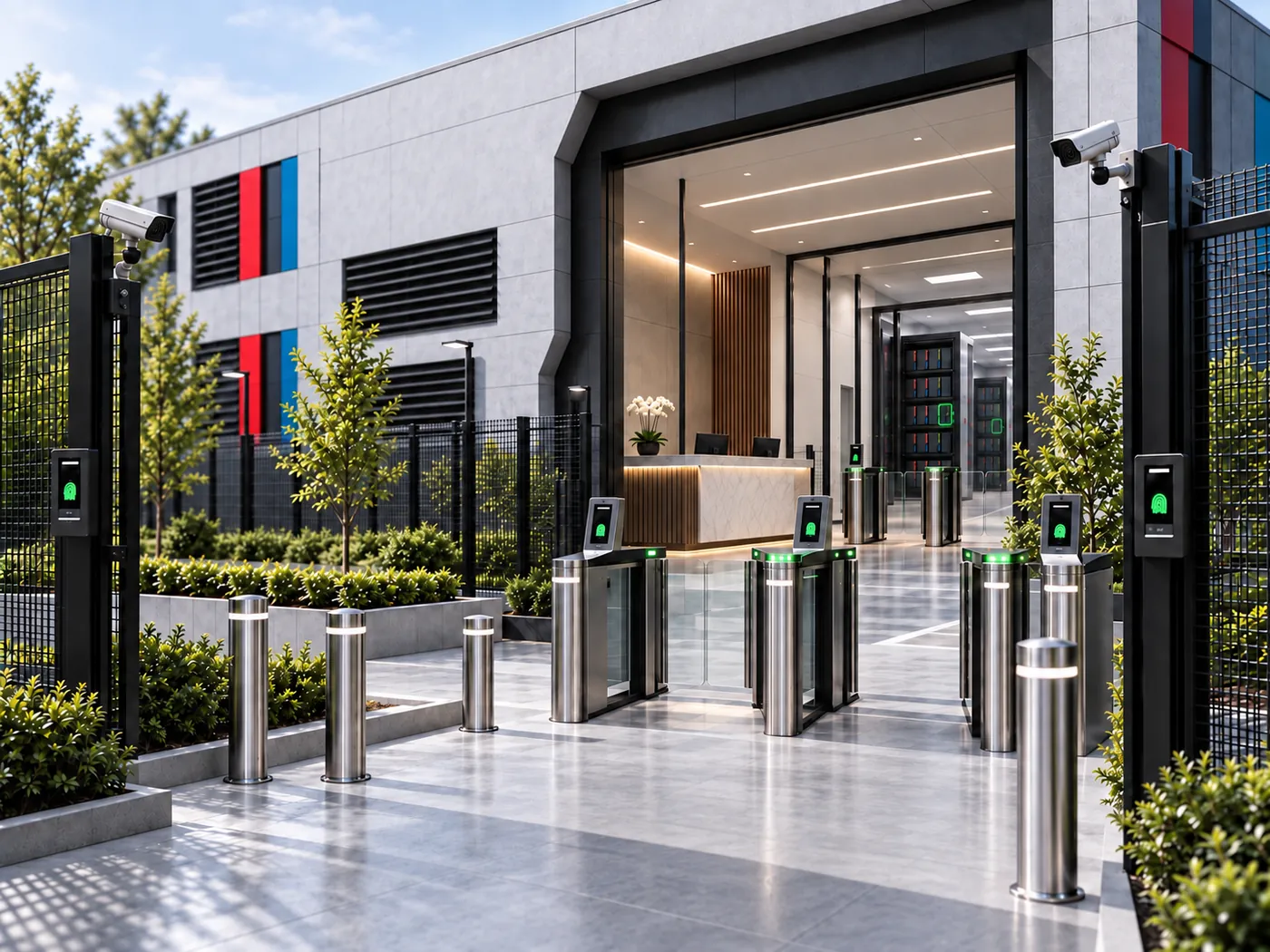
CP-03 Control Third-Party Access sets out the validation, brokering and evidence behind access that exists only when it should.