






Problem 1
Ad-hoc response.
When a control action is taken by the person who happens to be on shift, the rationale lives only in their memory and the outcome is harder to reason about later.


 Control module · Fire layer
Execute initiates control actions in response to policy, approval, schedule, incident state or supervisory override. The decision to act is recorded with the action, so there is no ambiguity about why the environment changed.
As featured in
'%3e%3cpath%20fill='%23E40784'%20d='M141.363%2026.6a5.905%205.905%200%200%201-5.899-5.9%205.905%205.905%200%200%201%205.899-5.895%205.901%205.901%200%200%201%205.895%205.895%205.9%205.9%200%200%201-5.895%205.9Zm0-8.347a2.448%202.448%200%200%200%200%204.895%202.449%202.449%200%200%200%202.447-2.448%202.449%202.449%200%200%200-2.447-2.447ZM141.363%200c-.821%200-1.638.052-2.447.144v3.731a16.897%2016.897%200%200%201%202.447-.177c9.373%200%2017.002%207.626%2017.002%2017.002%200%20.825-.063%201.642-.177%202.448h3.732c.095-.81.143-1.627.143-2.448%200-11.411-9.285-20.7-20.7-20.7Z'/%3e%3cpath%20fill='%23E40784'%20d='M141.363%207.268c-.825%200-1.645.077-2.447.228v3.787a9.733%209.733%200%200%201%202.447-.313c5.369%200%209.734%204.368%209.734%209.734%200%20.832-.107%201.652-.313%202.447h3.783c.151-.802.228-1.623.228-2.447.004-7.412-6.024-13.436-13.432-13.436Z'/%3e%3cpath%20fill='%230F1729'%20d='M71.382%207.537h-2.84a5.82%205.82%200%200%200-5.815%205.818v9.785h4.037v-9.789a1.78%201.78%200%200%201%201.777-1.777h2.841V7.537ZM80.539%2019.1a3.787%203.787%200%200%201-3.783-3.784%203.787%203.787%200%200%201%203.783-3.783%203.787%203.787%200%200%201%203.783%203.784%203.787%203.787%200%200%201-3.783%203.783Zm0-11.6c-4.313%200-7.82%203.507-7.82%207.82%200%204.313%203.507%207.82%207.82%207.82%201.372%200%202.66-.357%203.78-.982v.982h4.036V15.32c.004-4.313-3.503-7.82-7.816-7.82ZM41.806%2018.71a5.512%205.512%200%200%201-4.34%202.1%205.55%205.55%200%200%201-5.541-5.541%205.55%205.55%200%200%201%205.542-5.543c1.696%200%203.279.766%204.339%202.102l.088.114%201.656-1.656-.077-.092a7.865%207.865%200%200%200-6.01-2.797c-4.339%200-7.871%203.533-7.871%207.872s3.532%207.871%207.871%207.871a7.865%207.865%200%200%200%206.01-2.797l.077-.091-1.656-1.656-.088.113ZM19.479%207.397c-4.34%200-7.872%203.53-7.872%207.872%200%204.342%203.533%207.871%207.872%207.871a7.883%207.883%200%200%200%207.205-4.71l.081-.18H24.15l-.037.058a5.543%205.543%200%200%201-10.05-1.873h13.2l.015-.11c.048-.357.073-.714.073-1.053%200-4.346-3.529-7.875-7.871-7.875Zm-5.417%206.705a5.54%205.54%200%200%201%205.417-4.376%205.54%205.54%200%200%201%205.417%204.376H14.06ZM46.192%2023.14h2.33v-8.847a4.599%204.599%200%200%201%204.593-4.592%204.599%204.599%200%200%201%204.592%204.592v8.844h2.33v-9.149h-.008a6.887%206.887%200%200%200-2.082-4.648%206.89%206.89%200%200%200-4.832-1.972%206.863%206.863%200%200%200-4.593%201.751V.545h-2.33V23.14ZM2.686%207.393H0v2.33h2.686v8.471a4.944%204.944%200%200%200%204.94%204.939h2.435v-2.33H7.625a2.613%202.613%200%200%201-2.609-2.612V9.726h3.772v-2.33H5.016V1.84h-2.33v5.553ZM101.968%208.457a7.721%207.721%200%200%200-2.547-.858c-.088-.014-.177-.03-.265-.04-.1-.011-.199-.022-.302-.03a9.993%209.993%200%200%200-.574-.029c-.022%200-.04-.004-.062-.004h-.037c-4.313%200-7.82%203.507-7.82%207.82%200%204.313%203.507%207.82%207.82%207.82h.037c.25%200%20.496-.014.743-.04l.037-.003a7.742%207.742%200%200%200%203.003-.939v.979h4.037L106.005.537h-4.037v7.92Zm0%206.863a3.788%203.788%200%200%201-3.769%203.78%203.786%203.786%200%200%201-3.76-3.78c0-2.08%201.688-3.772%203.764-3.78a3.787%203.787%200%200%201%203.765%203.78ZM119.75%2023.11h4.037V15.299c-.011-4.302-3.515-7.798-7.82-7.798-4.313%200-7.821%203.507-7.821%207.82%200%204.313%203.508%207.82%207.821%207.82%201.372%200%202.66-.357%203.783-.982v.953Zm-3.783-4.01a3.786%203.786%200%200%201-3.783-3.784%203.786%203.786%200%200%201%203.783-3.783%203.79%203.79%200%200%201%203.783%203.78v.003a3.787%203.787%200%200%201-3.783%203.784ZM132.273%207.5a5.824%205.824%200%200%200-5.818%205.818v9.822h4.037v-9.822a1.78%201.78%200%200%201%201.777-1.777h2.841V7.5h-2.837ZM173.736%2020.807a5.534%205.534%200%200%201-5.527-5.527%205.534%205.534%200%200%201%205.527-5.528%205.535%205.535%200%200%201%205.528%205.528%205.535%205.535%200%200%201-5.528%205.527Zm0-13.399a7.852%207.852%200%200%200-5.527%202.274V7.393h-2.344V30h2.344v-9.127a7.836%207.836%200%200%200%205.527%202.275c4.339%200%207.872-3.533%207.872-7.872s-3.533-7.868-7.872-7.868ZM186.735%2023.14h-2.385v-9.81a5.84%205.84%200%200%201%205.833-5.834h2.848v2.385h-2.848a3.45%203.45%200%200%200-3.448%203.448v9.811ZM202.813%209.774a5.535%205.535%200%200%200-5.528%205.528%205.535%205.535%200%200%200%205.528%205.527%205.534%205.534%200%200%200%205.527-5.527%205.534%205.534%200%200%200-5.527-5.528Zm0%2013.4c-4.339%200-7.872-3.533-7.872-7.872%200-4.34%203.533-7.872%207.872-7.872s7.872%203.53%207.872%207.872c0%204.339-3.533%207.871-7.872%207.871Z'/%3e%3c/g%3e%3cdefs%3e%3cclipPath%20id='a'%3e%3cpath%20fill='%230F1729'%20d='M0%200h210.68v30H0z'/%3e%3c/clipPath%3e%3c/defs%3e%3c/svg%3e)




The problem
An action without a reason is a fact you will struggle to defend. Execute records both, together, every time.
The reason for the action and the action itself are recorded together through Archive.
Actions begin because a defined condition was met, not because somebody remembered.
An explicit supervisory layer can pause, redirect or stop an action when human judgement needs to take over.
Problem 1
When a control action is taken by the person who happens to be on shift, the rationale lives only in their memory and the outcome is harder to reason about later.

Problem 2
Actions that should follow a schedule, a state change or an upstream signal often do not, because nothing systematic connects the signal to the action.
Answered byCondition-led initiationProblem 3
Without an explicit supervisory override, a runaway automation or a faulty trigger has no clean way to be paused, redirected or stopped.
The scenario
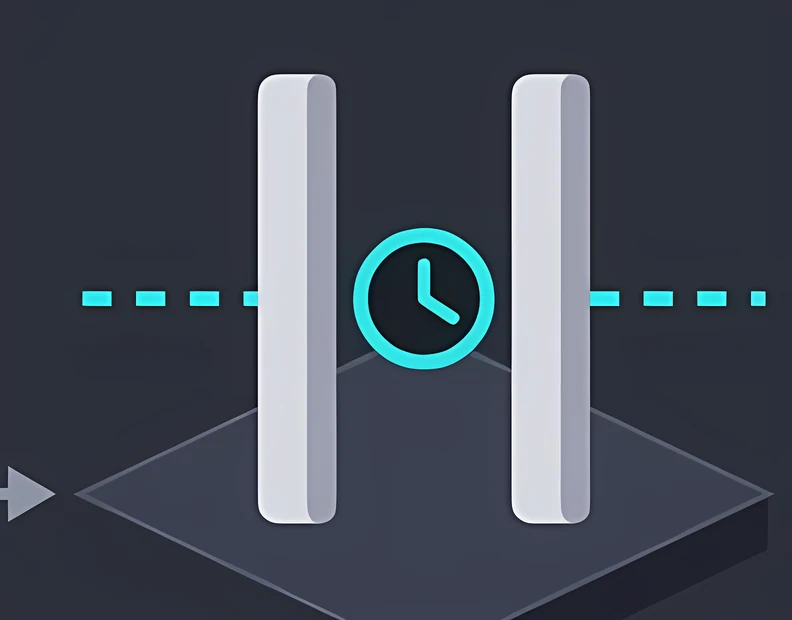
Execute is the discipline of treating an action as a decision, not as a habit. Step through it, or play it through.
Step 1 of 4
A weekly maintenance pattern requires several systems to be placed into a restricted state outside business hours.
Step 2 of 4
Rather than relying on individuals to remember and act, Execute initiates the lockdown on schedule.
Step 3 of 4
The policy that authorises it and the supervisor who can override it are both recorded against the action.
Step 4 of 4
The same pattern applies in reverse when the window ends, and the evidential record shows what happened and why.
Illustration.
Placement
Execute is the gate around any change that matters. Nothing destructive, privileged or boundary-altering happens without a named approver and a recorded decision. Grounded in IEC 62443-3-3 SR 1.5 Authenticator Management, NIST CSF PR.AC-4 and ISO 27001 A.5.18, A.8.18.
Relies on
IEC 62443 SR 5.1
Every change to the physical conduit state is an approved Execute event, not a console click.

NIST CSF PR.AC-4
Engineering changes against PLCs, RTUs and HMIs require multi-party approval before the path is opened.

NIST CSF PR.IP-9
Restoration from the offline vault is an explicit, recorded Execute decision with quorum approval.
ISO 27001 A.5.18
Changes to the zone and conduit definitions themselves are governed actions, not silent edits.

Capabilities
Six things FV-Execute gives a security team, from the first decision to the audit afterwards.
FV-Execute
Actions begin because a defined condition was met, not because somebody remembered.
FV-Execute
Sensitive actions require the right approval before execution rather than after the fact.
FV-Execute
Execute responds to incident state so containment, isolation and lockdown actions can be carried out at machine speed within agreed bounds.
FV-Execute
An explicit supervisory layer can pause, redirect or stop an action when human judgement needs to take over.
FV-Execute
Each action is constrained to the systems and operations the policy permits.
FV-Execute
The reason for the action and the action itself are recorded together through Archive.

Adoption guide
Four steps, piloted on one workflow before it extends across the estate.
List the control actions that matter, including their owners, scopes and current triggers.
For each action, agree the policy, schedule, incident state and approval pattern that should govern it.
Move one action onto Execute end-to-end, including the supervisory override and the evidential record.
Run Execute as the initiation layer for control actions and review patterns through Archive on a regular cadence.
Playbooks
Each playbook shows where this module sits in a real deployment, who authorises it and how a pilot scales into rollout.
The kill switch doctrine chapter explains who may initiate a control action against an agent or cluster, and on what authority.
Read the playbookSets the approval pattern, escalation route and pre-approved conditions for control actions during a supply incident.
Read the playbookExplore more
Questions
It is the initiation layer for control actions. Actions begin because a defined condition was met, under the approval pattern agreed for them, and the decision and the action are recorded together through Archive.
An explicit supervisory layer can pause, redirect or stop an action when human judgement needs to take over, and each action is constrained to the systems and operations the policy permits.
Sensitive actions require the right approval before execution, not after the fact. Nothing destructive, privileged or boundary-altering happens without a named approver and a recorded decision.
The supervisory override can pause, redirect or stop actions. Where appropriate, actions also have a defined undo path.
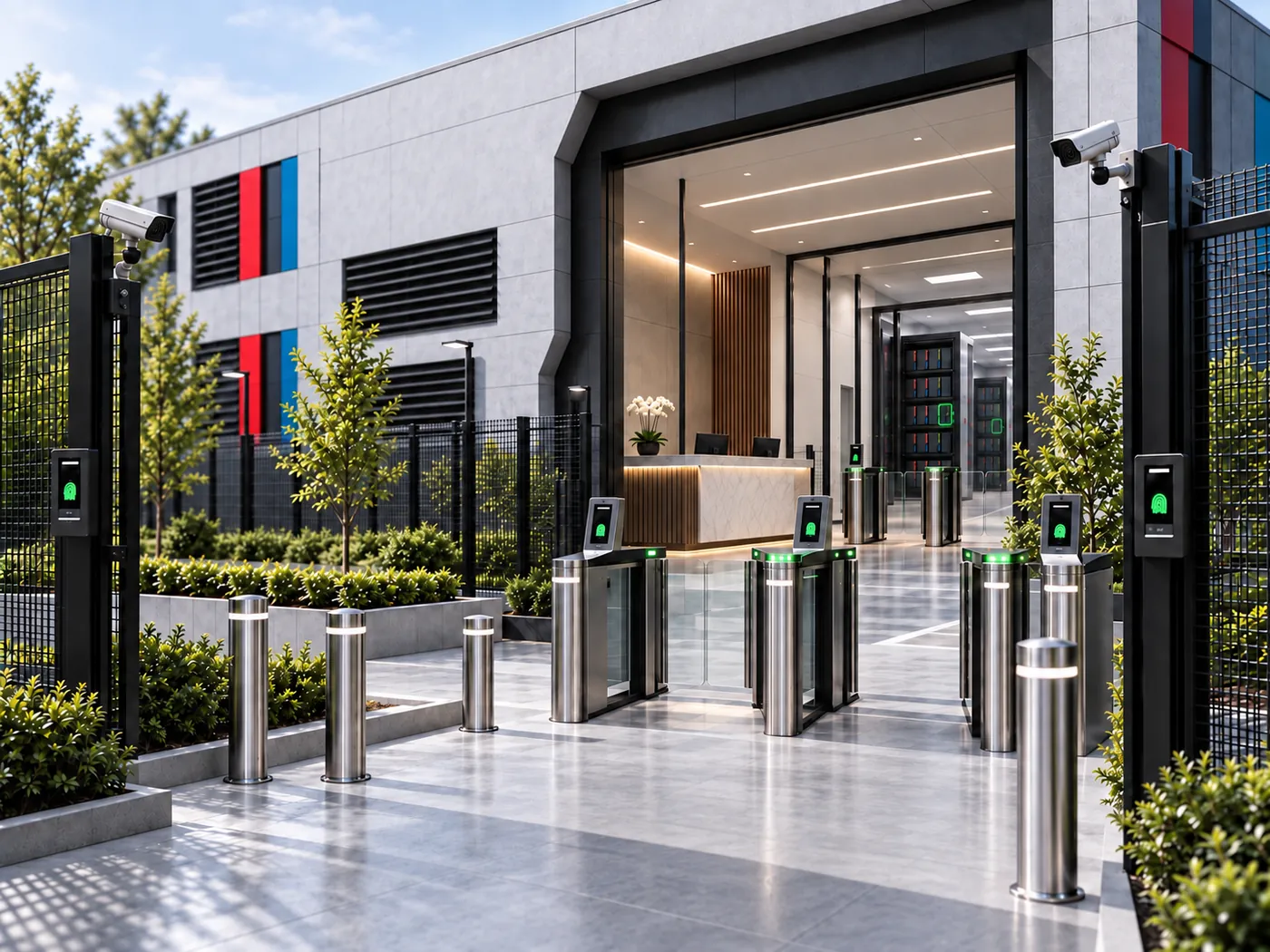
We will walk your architecture, show where FV-Execute sits on each path, and the evidence it leaves behind.