
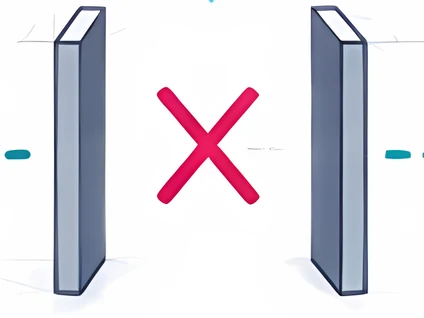
Control PlanCP-16Remote Site Isolation
Proposed Control Plan. Subject to technical and publication approval.
One remote site is affected. Which connections should you withdraw?

Disconnect the communications link to a remote facility.
- Plan
- CP-16
- Purpose
- Remote Site Isolation
- Selected connections
- 8
- Modules
- Fracture · Isolate · Relay · Execute · Validate
- Scope
- The assessed remote facility communications boundary, support, management and alternate conduits.
What is at stake
Why remote site isolation matters.
Assess the remote facility communications boundary with the remote site operations owner. Record dependencies, approval conditions and verification evidence before a physical connection is changed.
The problem today
Where you are IP connected today.
CP-16 reviews eight IP-connected paths in your business. While a path stays connected over IP, it is a route that can be reached, misused or exploited. Each path below carries its own risk to agree with its owner.
- Risk 1Primary WAN
Physical hand-off between the remote facility and central network.
Whenever this path is open over IP, it is a route that can be reached, misused or exploited.
Agreed state: Connected
- Risk 2Supplier support
Support gateway into the facility.
Whenever this path is open over IP, it is a route that can be reached, misused or exploited.
Agreed state: Disconnected by default
- Risk 3Site management
Dedicated facility management connection.
Whenever this path is open over IP, it is a route that can be reached, misused or exploited.
Agreed state: Disconnected by default
- Risk 4Central service path
Central network to shared facility services.
Whenever this path is open over IP, it is a route that can be reached, misused or exploited.
Agreed state: Connected
- Risk 5Exchange connection
Approved site data exchange route.
Whenever this path is open over IP, it is a route that can be reached, misused or exploited.
Agreed state: Disconnected by default
- Risk 6Secondary WAN
Backup carrier hand-off and SD-WAN underlay.
Whenever this path is open over IP, it is a route that can be reached, misused or exploited.
Agreed state: Connected
- Risk 7Cellular gateway
Independent mobile router or wireless bridge.
Whenever this path is open over IP, it is a route that can be reached, misused or exploited.
Agreed state: To assess
- Risk 8Local internet edge
Facility internet gateway independent of central WAN.
Whenever this path is open over IP, it is a route that can be reached, misused or exploited.
Agreed state: Connected
What Firevault changes
What changes with this Plan.
Keep local facility services within the defined physical boundary.
| Connection | Agreed normal state | Control action |
|---|---|---|
| Primary WAN | Connected | Fracture withdraws the authorised connection. |
| Supplier support | Disconnected by default | Relay opens a time-bound window; Validate checks approval. |
| Site management | Disconnected by default | Relay governs approved access; Fracture withdraws it. |
| Central service path | Connected | Fracture withdraws the selected path. |
| Exchange connection | Disconnected by default | Transfer governs what moves; Relay limits the window. |
| Secondary WAN | Connected | Isolate operates both site conduits as a group. |
| Cellular gateway | To assess | Unlink removes persistent dependencies that bypass the control. |
| Local internet edge | Connected | Fracture withdraws the selected edge connection. |
Detection, malware removal, device radios and safety-system design. Stored data protection is scoped separately.
Control in Action
Remote Site Isolation: see the selected path change.
Keep local facility services within the defined physical boundary.
Control in Action
Stage
Before agreed physical control
Assess the remote facility communications boundary with the remote site operations owner. Record dependencies, approval conditions and verification evidence before a physical connection is changed.Connected routes require review. Discovery checks your real dependencies.
Physical crossings
- Primary WANAlways connected
- Supplier supportAlways connected
- Site managementAlways connected
- Central service pathAlways connected
- Recovery access (OSS)Not in place
- FBFracture · Review the purpose and ownership of each selected connection.
Illustrative selected connections, not an approved deployment. Agree service dependencies and authorised actions before implementation. This illustration does not predict attack reach or service availability. Offline Secure Storage® remains separate.
The modules involved
The Control modules behind this Plan.
In CP-16: group C1 and C6, and any other assessed bypass. In CP-16: withdraw the selected facility hand-off. In CP-16: apply only the operationally approved boundary action.
CP-16Remote Site Isolation
This Control Plan
Keep local facility services within the defined physical boundary.
Primary modules: Fracture, Isolate, Relay, Execute and Validate.
Read the operational detailModule in this plan

Fracture
Physically disconnects network paths to prevent unauthorised access, contain threats and stop an attack from progressing.
Physically disconnects network paths to prevent unauthorised access, contain threats and stop an attack from progressing.
Explore the Fracture moduleConcept illustration. Select any module to see what it does. Placement is drawn from your own network in discovery.
Control Plans that work alongside CP-16
 CP-15 · ProposedOperational Technology ProtectionIndustrial controllers behind a physical network boundary.Open CP-15
 CP-17 · ProposedChange Window EnforcementApproved changes made through a timed physical connection.Open CP-17
 CP-14 · ProposedCompromised Device IsolationPhysically isolate one affected device from the network.Open CP-14
As featured in





The Control Plan specification
Each selected connection, written down.
Keep local facility services within the defined physical boundary.
Primary WANPhysical hand-off between the remote facility and central network.Connected
- Normal state
- Connected
- Authorisation
- Tier 2Site and incident owner approval
- Module action
- Fracture withdraws the authorised connection.
- Business effect
- Central applications become unreachable from the site.
- Failure behaviour
- Assessed and tested with operations
Supplier supportSupport gateway into the facility.Disconnected by default
- Normal state
- Disconnected by default
- Authorisation
- Tier 2Approved support request
- Module action
- Relay opens a time-bound window; Validate checks approval.
- Business effect
- Remote supplier sessions are unavailable outside the window.
- Failure behaviour
- Assessed and tested with operations
Site managementDedicated facility management connection.Disconnected by default
- Normal state
- Disconnected by default
- Authorisation
- Tier 2Named engineering work
- Module action
- Relay governs approved access; Fracture withdraws it.
- Business effect
- Remote administration pauses.
- Failure behaviour
- Assessed and tested with operations
Central service pathCentral network to shared facility services.Connected
- Normal state
- Connected
- Authorisation
- Tier 2Joint service impact decision
- Module action
- Fracture withdraws the selected path.
- Business effect
- Shared services are lost; local fallback needs testing.
- Failure behaviour
- Assessed and tested with operations
Exchange connectionApproved site data exchange route.Disconnected by default
- Normal state
- Disconnected by default
- Authorisation
- Tier 2Approved exchange purpose
- Module action
- Transfer governs what moves; Relay limits the window.
- Business effect
- Data queues and reconciliation require local procedures.
- Failure behaviour
- Assessed and tested with operations
Secondary WANBackup carrier hand-off and SD-WAN underlay.Connected
- Normal state
- Connected
- Authorisation
- Tier 2Same approval as C1
- Module action
- Isolate operates both site conduits as a group.
- Business effect
- Automatic carrier failover cannot bypass the grouped action.
- Failure behaviour
- Assessed and tested with operations
Cellular gatewayIndependent mobile router or wireless bridge.To assess
- Normal state
- To assess
- Authorisation
- Tier 2Site survey and authority review
- Module action
- Unlink removes persistent dependencies that bypass the control.
- Business effect
- Device-level cellular radios require separate controls.
- Failure behaviour
- Assessed and tested with operations
Local internet edgeFacility internet gateway independent of central WAN.Connected
- Normal state
- Connected
- Authorisation
- Tier 2Site and service owner approval
- Module action
- Fracture withdraws the selected edge connection.
- Business effect
- Cloud access may fail even when local applications continue.
- Failure behaviour
- Assessed and tested with operations
Detection, malware removal, device radios and safety-system design. Stored data protection is scoped separately.
Operational runbook
Who does what, and when.
What happens under normal conditions, during approved work, when an incident is detected and when connections are restored.
Keep local facility services within the defined physical boundary. Each selected connection sits at its agreed normal state.
Set in the Plan, signed off by your operational, security and continuity leads.
Connection states, continuously.
Fracture withdraws the authorised connection. Relay
 Validate
The named owner approves each opening in advance.
Request, approval, opening and closure.
Your security tools raise an alert. The agreed action starts out of band, without depending on the network under attack. Execute
Pre-authorised in the Plan. The incident owner is told at once.
The alert and the action taken.
Keep local facility services within the defined physical boundary.Fracture Isolate
Automatic only for the crossings you agreed. Anything else needs the incident owner.
Each action, timestamped.
Assess the remote facility communications boundary with the remote site operations owner. Record dependencies, approval conditions and verification evidence before a physical connection is changed.
The operational owner authorises each reconnection.
Each check and each reconnection.
Detection, malware removal, device radios and safety-system design. Stored data protection is scoped separately.
Engineering and integration
Fit the control around your existing environment.
The assessed remote facility communications boundary, support, management and alternate conduits.
Testing and evidence
Prove the selected connection before relying on it.
Agree acceptance criteria with the service owner, then retain the observed results.
Resilience and recovery
Offline Secure Storage®
OSS protects stored business data, recovery copies and retained evidence through physical disconnection. It is a separate storage service, not a Control module or a network containment function.
Control by Firevault governs selected physical connections. Existing detection tools and authorised operators decide when to act. OSS does not detect incidents, command Control or replace operational safety procedures.
Assess the remote facility communications boundary with the remote site operations owner. Record dependencies, approval conditions and verification evidence before a physical connection is changed.
Explore Offline Secure StorageFrameworks and limitations
Support your obligations. Keep the boundaries clear.
Detection, malware removal, device radios and safety-system design. Stored data protection is scoped separately.
Build your Control Plan
Start with the connections you would cut first.
Which routes cross the remote facility communications boundary? Which dependencies fail when they are withdrawn? Who can approve the local operating state? Use the draft register to prepare a review, not as deployment approval.
Questions worth asking
Before you rely on CP-16.
Practical questions for the people who own these connections.
Keep local facility services within the defined physical boundary.
The assessed remote facility communications boundary, support, management and alternate conduits.
Not by assumption. Map dependencies and agree the acceptable service impact with the operational owner before selecting a path.
Detection, malware removal, device radios and safety-system design. Stored data protection is scoped separately.
Control by Firevault governs selected physical connections. Existing detection tools and authorised operators decide when to act. OSS does not detect incidents, command Control or replace operational safety procedures.
Which routes cross the remote facility communications boundary? Which dependencies fail when they are withdrawn? Who can approve the local operating state? Use the draft register to prepare a review, not as deployment approval.
Your next step
Take the next step with remote site isolation.
Which routes cross the remote facility communications boundary? Which dependencies fail when they are withdrawn? Who can approve the local operating state? Use the draft register to prepare a review, not as deployment approval.
Book a briefing