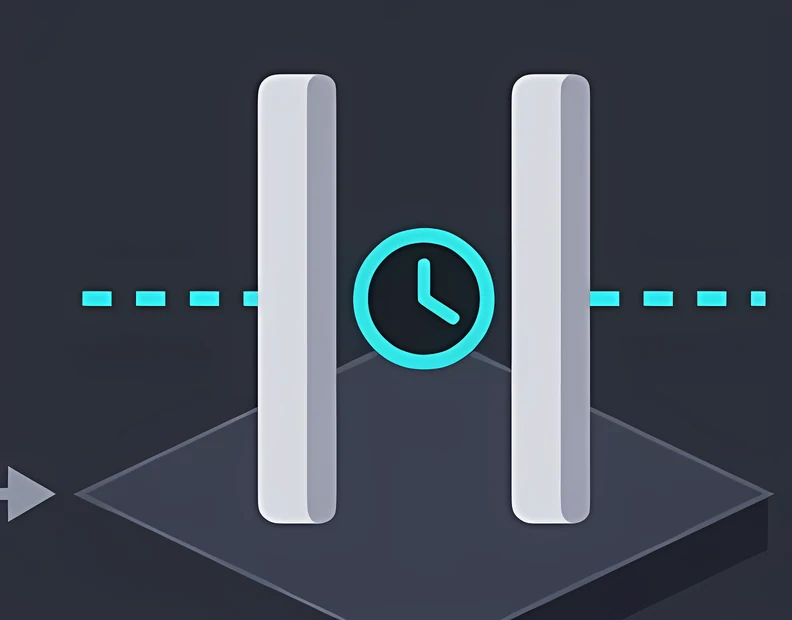



Challenge 1
Lateral movement.
Once inside the perimeter, ransomware traverses network segments through legitimate pathways, escalating privileges and encrypting systems faster than response teams can isolate them.
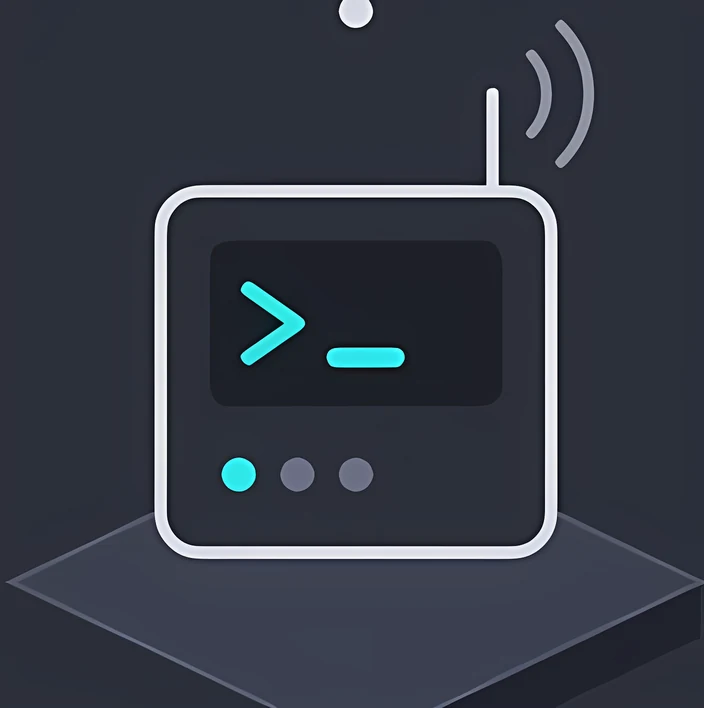
Control for ransomware containment
Ransomware relies on network reachability to spread, encrypt and extort. When the paths it depends on are physically severed, lateral movement stops, and recovery assets stay off the network.
As featured in





The challenge
If ransomware can reach your backups, they are part of the attack. If it can traverse between network segments, containment is theoretical. Physical disconnection makes containment real.
Physical path disconnection across network zones on an authorised command, in milliseconds per zone.
Verified control-plane baselines held by the Archive module have no live network path to production.
Network segments are physically separated during normal operations, limiting the blast radius.
Challenge 1
Once inside the perimeter, ransomware traverses network segments through legitimate pathways, escalating privileges and encrypting systems faster than response teams can isolate them.

Challenge 2
Modern ransomware specifically targets backup infrastructure. Network-connected recovery systems are encrypted alongside production data.
Answered byOffline control-plane baselinesChallenge 3
Attackers spend weeks mapping the network before detonation, identifying backup schedules, disabling security tools and positioning payloads.

The scenario
Backups, immutable storage and network segmentation were all reachable from every other system, so all of it was encrypted. Step through it, or play it through.
Step 1 of 2
A logistics company detects ransomware encryption beginning on a file server at 02:14 on a Saturday morning. The malware has been resident for 18 days, mapping shares, identifying backup schedules and deploying payloads to 340 systems across four sites.
The attackers disabled volume shadow copies and encrypted the backup server before detonating the primary payload.
Step 2 of 2
With Control, the Firebreak module severs inter-site connectivity on the SOC alert, over an out-of-band command.
Verified control-plane baselines held by the Archive module have no live network path to production, so the company restores from known-good copies while the encrypted segments stay isolated for forensic analysis.
An illustrative scenario.
Where Control breaks the chain
Ransomware operators rely on a predictable sequence: get in, get quiet, get everywhere, then encrypt. Control removes the network reachability each stage depends on.
 Physical severFirebreakPhysically opens or closes connection paths to prevent unauthorised access and stop attack progression.
 Zone boundaryIsolateSeparates systems and networks into controlled zones to reduce lateral movement and enforce trust boundaries.
 Named accessLockRestricts access through identity, authority, policy, permission and operational controls.
 Remove trustUnlinkRemoves persistent connections, live dependencies and inherited trust that keep sensitive assets exposed.
 Integrity checkValidateChecks whether a request, command or approval should proceed before access, action or transfer is allowed.
 Time-bound pathRelayAllows connectivity only when needed, for a defined purpose, under controlled conditions and for a limited time.
 Preserve, freeze, accessArchivePreserves critical files and records for recovery, retention, compliance, continuity and evidential integrity.
 Controlled moveTransferControls how sensitive assets move into, out of or between protected environments through approved paths.
 Trigger, act, terminateExecuteInitiates control actions when a policy, approval, schedule, incident state or supervisory override requires it.
Capabilities
Six things Control gives the team, from the first boundary to the audit afterwards.
Ransomware
Physical path disconnection across network zones on an authorised command, in milliseconds per zone.
Ransomware
Verified control-plane baselines held by the Archive module have no live network path to production.
Ransomware
Network segments are physically separated during normal operations, limiting the blast radius.
Ransomware
Emergency severance and recovery operations require multiple authorised parties.
Ransomware
Network path changes, access events and recovery operations are logged to physically disconnected storage.
Ransomware
Automated logging that can help support ICO notification and NIS2 incident reporting.
Adoption guide
Four steps, piloted on one site before it extends across the estate.
Map every network path that ransomware could traverse between segments, including backup infrastructure.
Design physical segmentation zones with Firebreak points at every critical boundary and Archive positions for recovery.
Simulate a ransomware detonation with physical path severance, testing response times.
Deploy across all network zones with alerting integration and continuous compliance evidence.
Explore more
Questions
Firebreak severs a path in milliseconds, zone by zone, over an out-of-band command, triggered by an operator, a scheduler or your SOC tooling.
They are held by the Archive module with no live network path to production, physically disconnected between sessions.
Immutability is enforced in software on a connected platform. Control removes the path itself, so there is nothing for the ransomware to traverse.
They stay isolated for forensic analysis while recovery runs from known-good copies held offline.
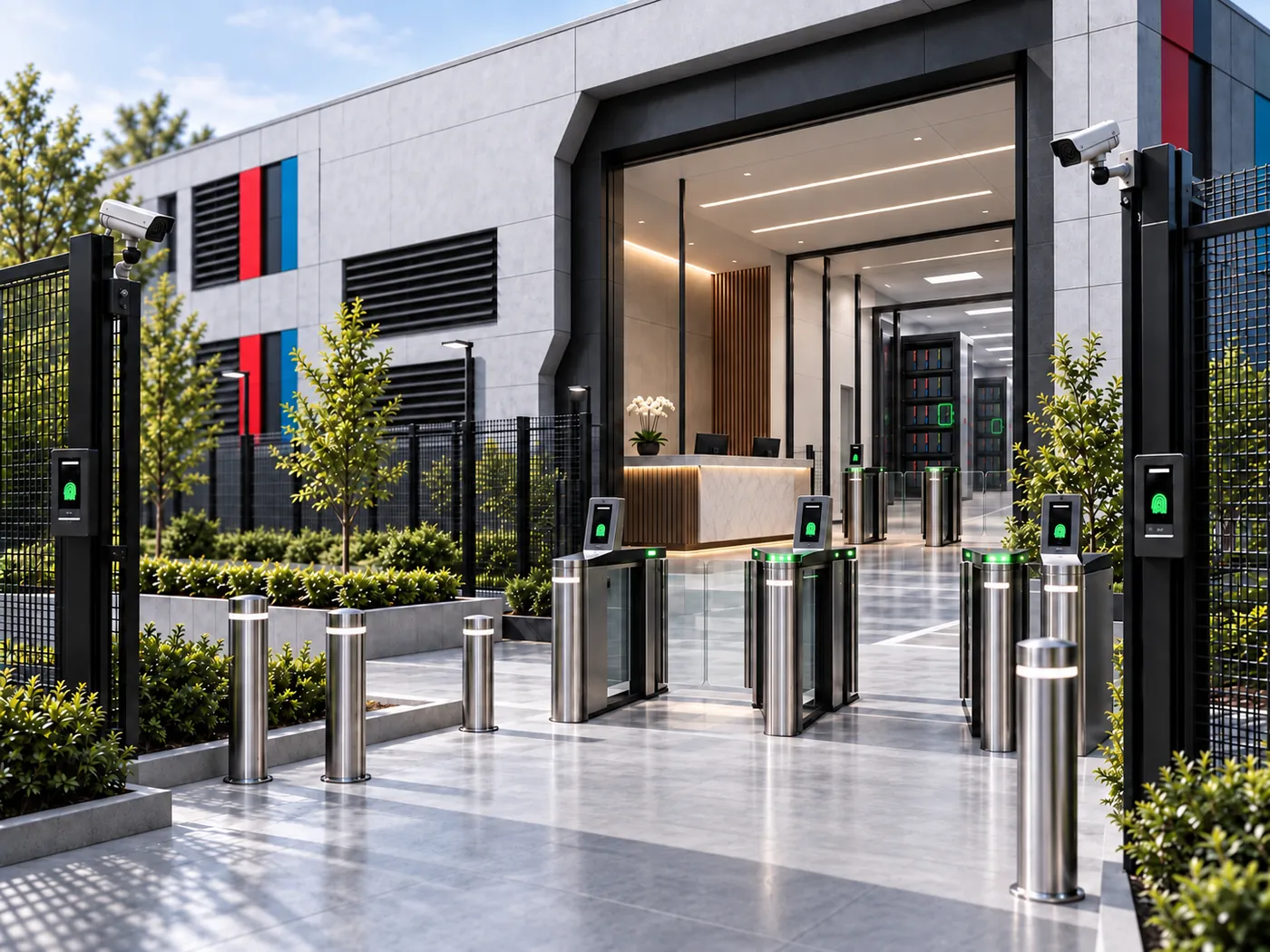
Walk through your blueprint with the Firevault team and scope a proof of concept on your estate. 30 minutes, no sales pitch.