Scenario 1
A deal leaks before announcement.
Price, terms or intent reach the market through one of many reachable copies.
 OSS® (#OSS) for investment and M&A
Deal information loses value the moment it leaks. Keep the definitive record of every transaction on dedicated hardware that is physically disconnected between uses.
As featured in



A simple confidentiality question
Transaction material is duplicated across advisers, platforms and inboxes, then left connected for years. The problem is not only leaks. It is that deal material is most reachable when it is most valuable.
Between sessions there is no data room link, no share and no credential leading to the material.
Access lists grow, downloads persist and copies survive in environments you do not control.
Price-sensitive material only needs to be reachable while the work is being done.
Recorded retrieval demonstrates handling to counterparties, regulators and investors.
Scenario 1
Price, terms or intent reach the market through one of many reachable copies.

Scenario 2
Diligence material is exposed through a third party you do not control.
Answered byData rooms are convenience, not containmentScenario 3
The disclosed set must be produced accurately, years after completion.
Scenario 4
One compromise exposes commercially sensitive information across multiple holdings.
The principle
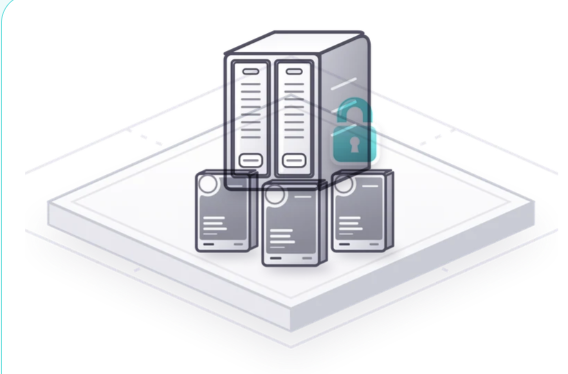
Value and exposure peak at the same moment. Select the definitive record, secure it, disconnect it, and open it only when it is required.
Switch models, pick a step to compare, or run an incident through it.
What protects it
Firewalls, logins and monitoring defend a connection that’s always there.
There’s no standing network path. A route exists only for a session you open from your registered phone.
The route stays open, so the copy stays reachable.The route is removed, so the copy is out of reach by default.
What deal teams protect
First-pass inventory
Start with the material that would be most damaging to leak and most important to produce in a claim or an audit.
Your deal inventory. Six areas most deal teams already hold.
0 records markedTick the records you hold. Nothing is sent anywhere.
What belongs offline
Everyday and connected
Connected data rooms suit the live process and the questions in it.
Important and offline
Selected records can be available when required without remaining permanently reachable.
A data room keeps deal material connected. Firevault gives the definitive record somewhere else to live.Online when you need it. Offline when you do not.
Who can reach it
Ownership, controlled sharing and recorded access are separate decisions. Access is a decision, not a default.
One vault per user
Access is linked to a verified individual rather than a fund-wide credential.
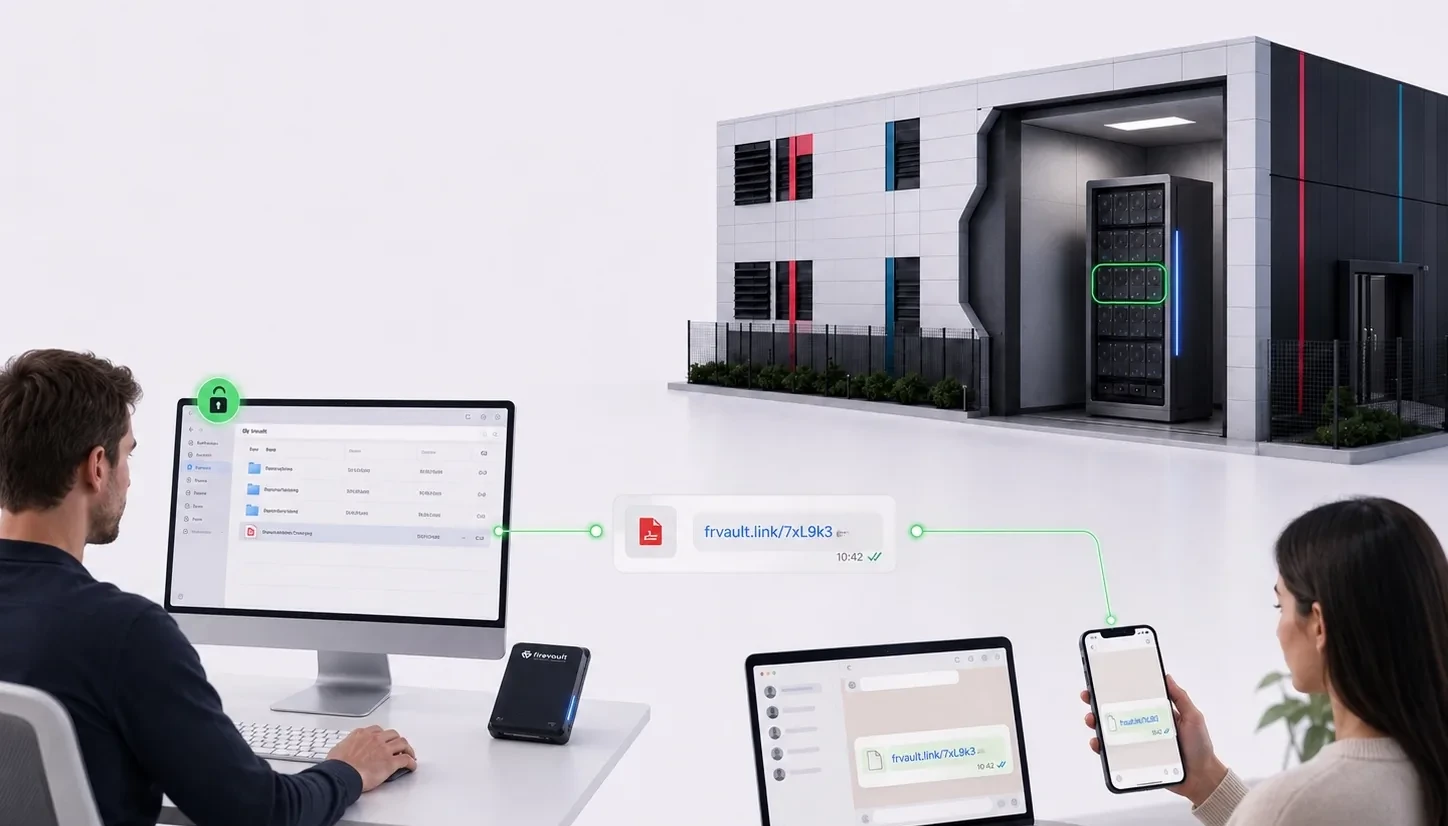
Share a document, not the archive
Release the specific record a claim, audit or investor request requires.
Recorded retrieval
Retrievals are logged, supporting warranty, audit and regulatory positions.
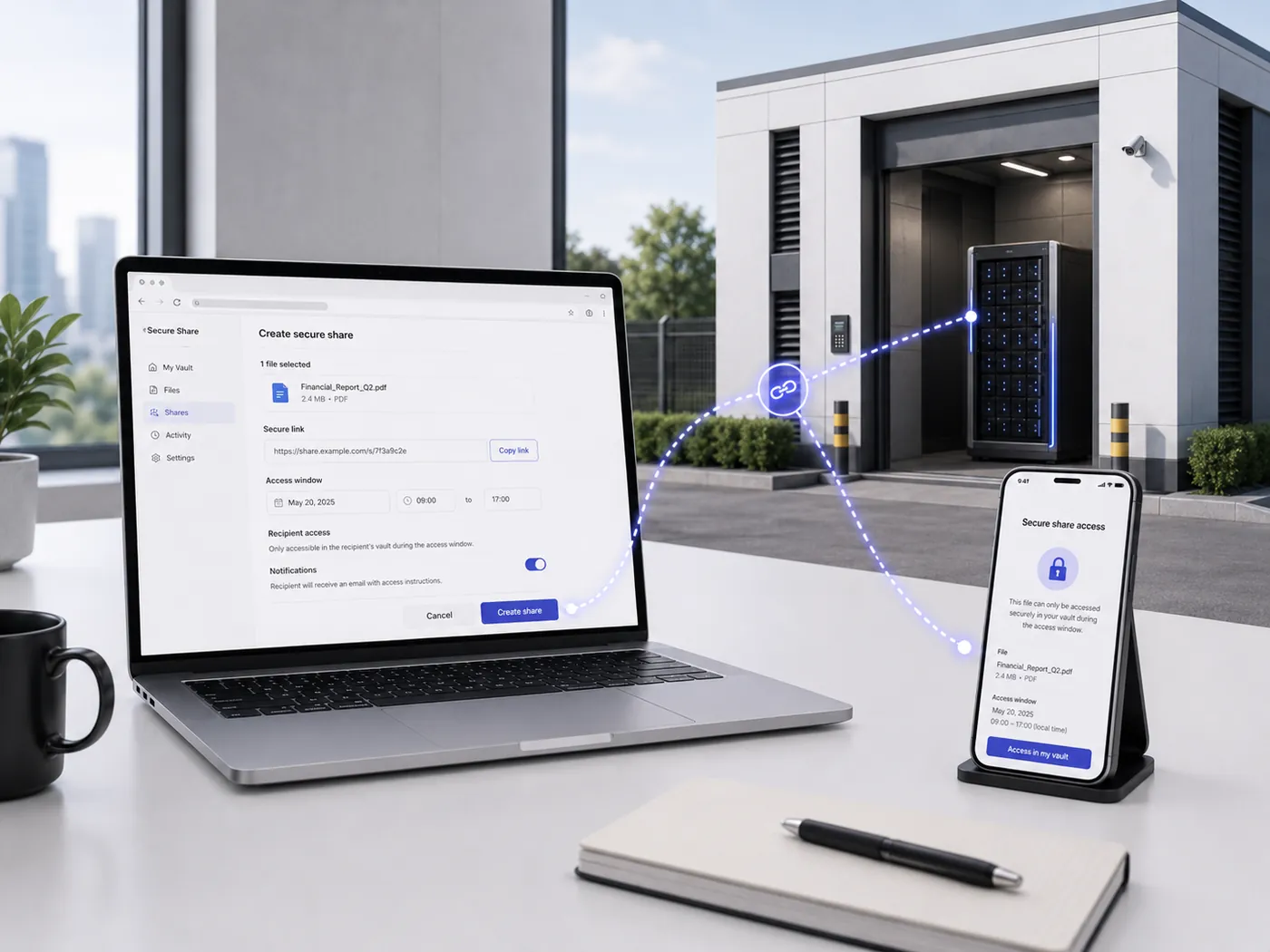
Share a document, not the archiveA time-boxed link, and every retrieval logged
The products
One physical principle at every size. What changes is capacity and how access opens.
On-demand access to a digital safe deposit box for diligence archives, final models and transaction documents.
A low use vault for completion documents and approvals, reached on a nominated access day.
Scalable offline capacity from 20TB upwards, designed with the solutions team around your requirement.
Vault
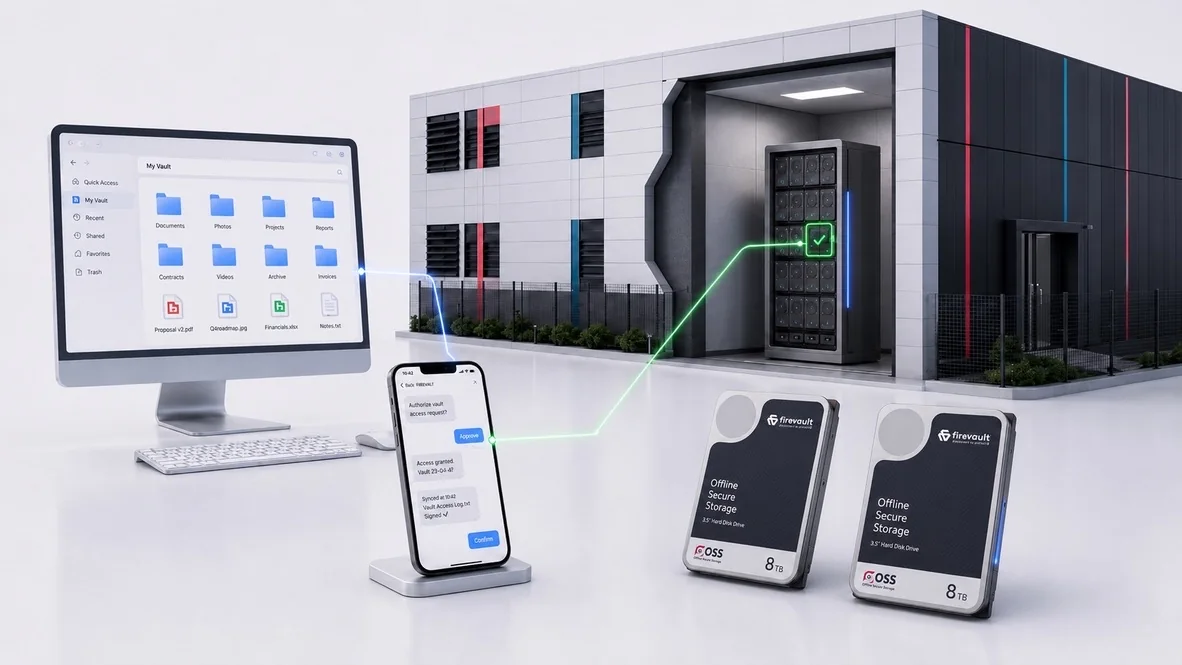
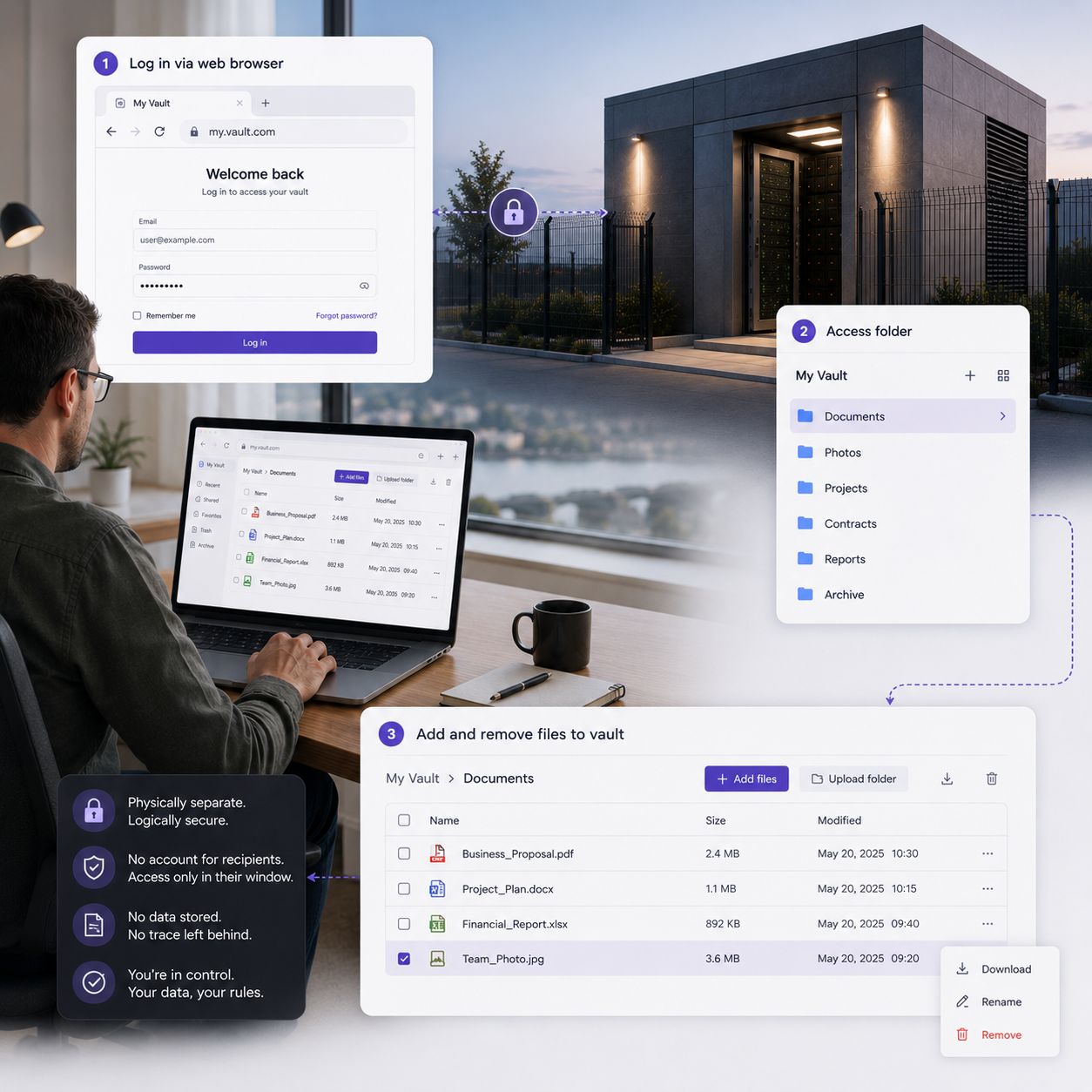
Open a session
File Manager
LUV
Storage
Why Firevault
Every Offline Secure Storage® instance is built on the same four physical principles.

Offline Secure Storage instances are held on dedicated physical hard drives, not in S3 cloud buckets, shared storage pools or multi-tenant infrastructure. Your selected data is assigned to real hardware, with dedicated RAID 1 drives providing resilience.
Explore physical storage
Each Offline Secure Storage instance is allocated to a specific customer, with dedicated physical capacity and clearly defined ownership. Your data is not pooled, commingled or held within a shared storage estate.
Explore physical ownership
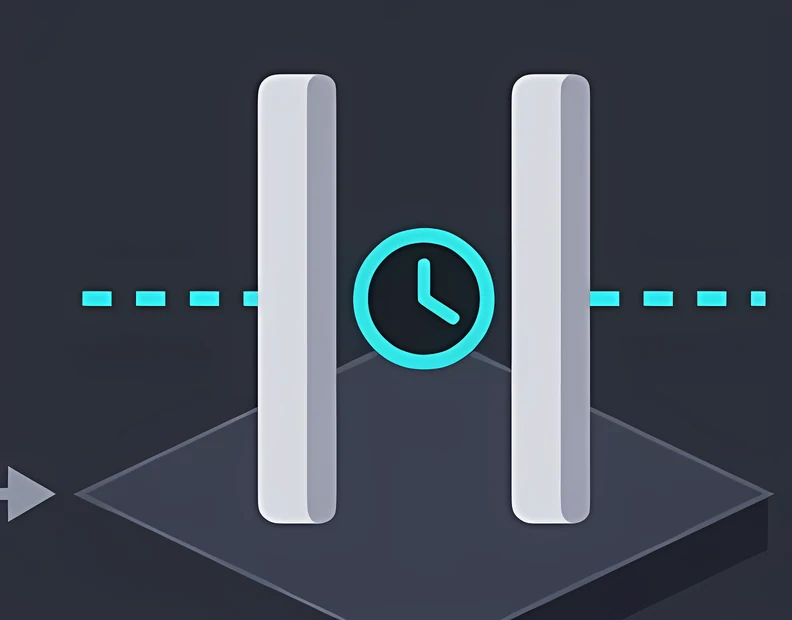
Access begins outside the normal network path. An authorised out-of-band command, such as SMS, controls the physical Layer 1 connection to your #OSS instance. When access is not required, that network path is physically disconnected.
Explore physical control
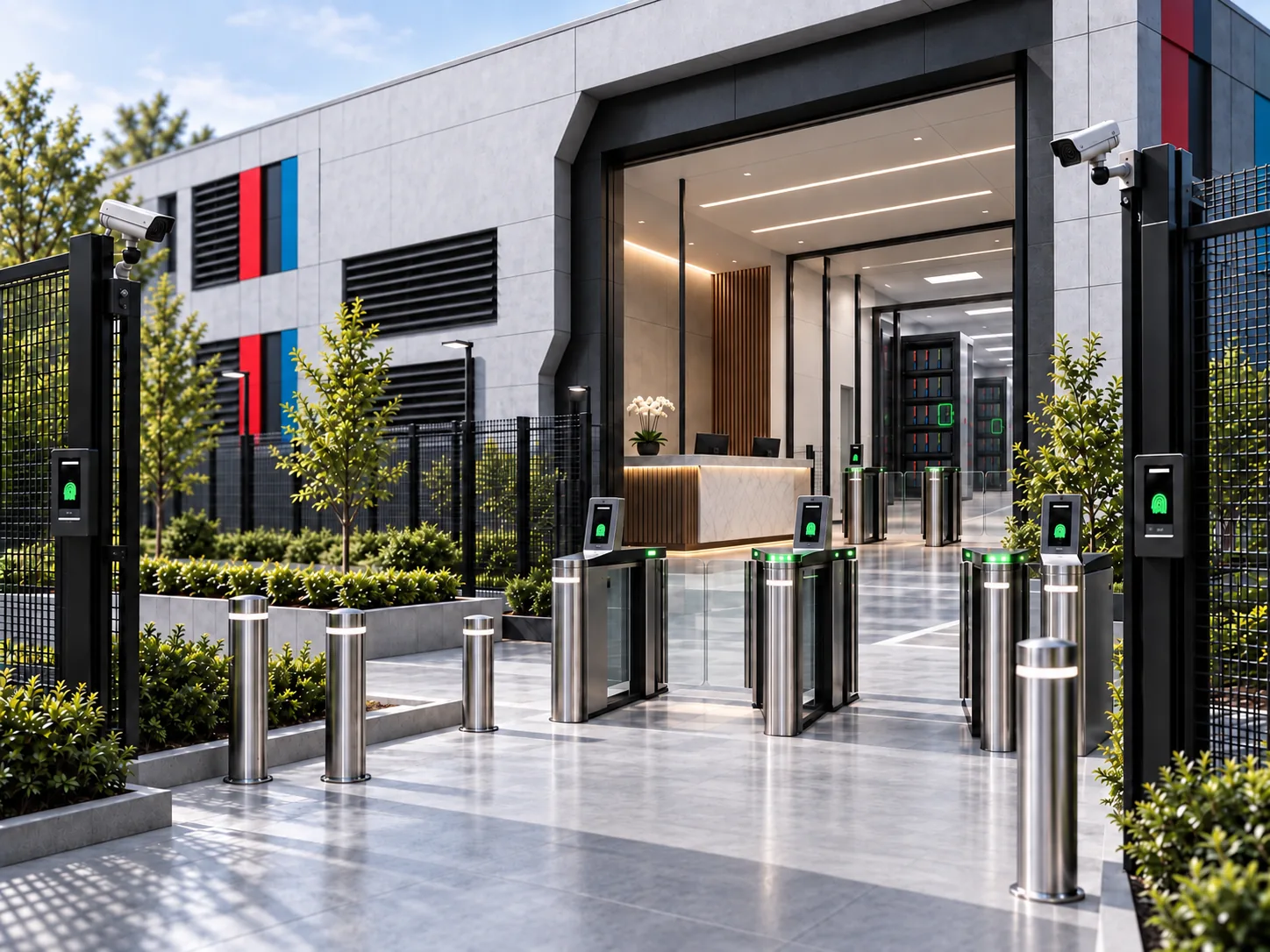
Your #OSS hardware is housed in carefully selected, professionally managed data centres with layered physical security, resilient power and environmental controls. Access is tightly controlled using three-factor authentication, including biometric identification, supported by 24/7 monitoring, restricted access zones and a complete audit trail.
Explore physical securityGuidance

FCA / UK MAR
Issuers and firms must control access to inside information and maintain records of who holds it.
Read the source
ICO
Personal data within diligence material remains subject to appropriate security under UK GDPR.
Read the source
NCSC
NCSC guidance recommends holding critical copies offline and separate from the connected estate.
Read the sourceQuestions
No. Use a data room for the live process. Firevault is for the definitive record after it, when the room closes.
To the record they need, yes. Share a document, not the archive: release the specific record a claim, audit or investor request requires, and every retrieval is logged.
For as long as you keep the Vault. Records sit on dedicated hardware in a Firevault Bunker rather than inside a platform with its own retention terms.
With a Vault, request a session at any time, 24/7, from your registered phone, and retrieve the file in File Manager during a session of up to 120 minutes. LUV opens on your nominated access day each week, for 12 hours.
It can help support it. Retrievals are logged, so handling can be demonstrated to counterparties, regulators and investors.
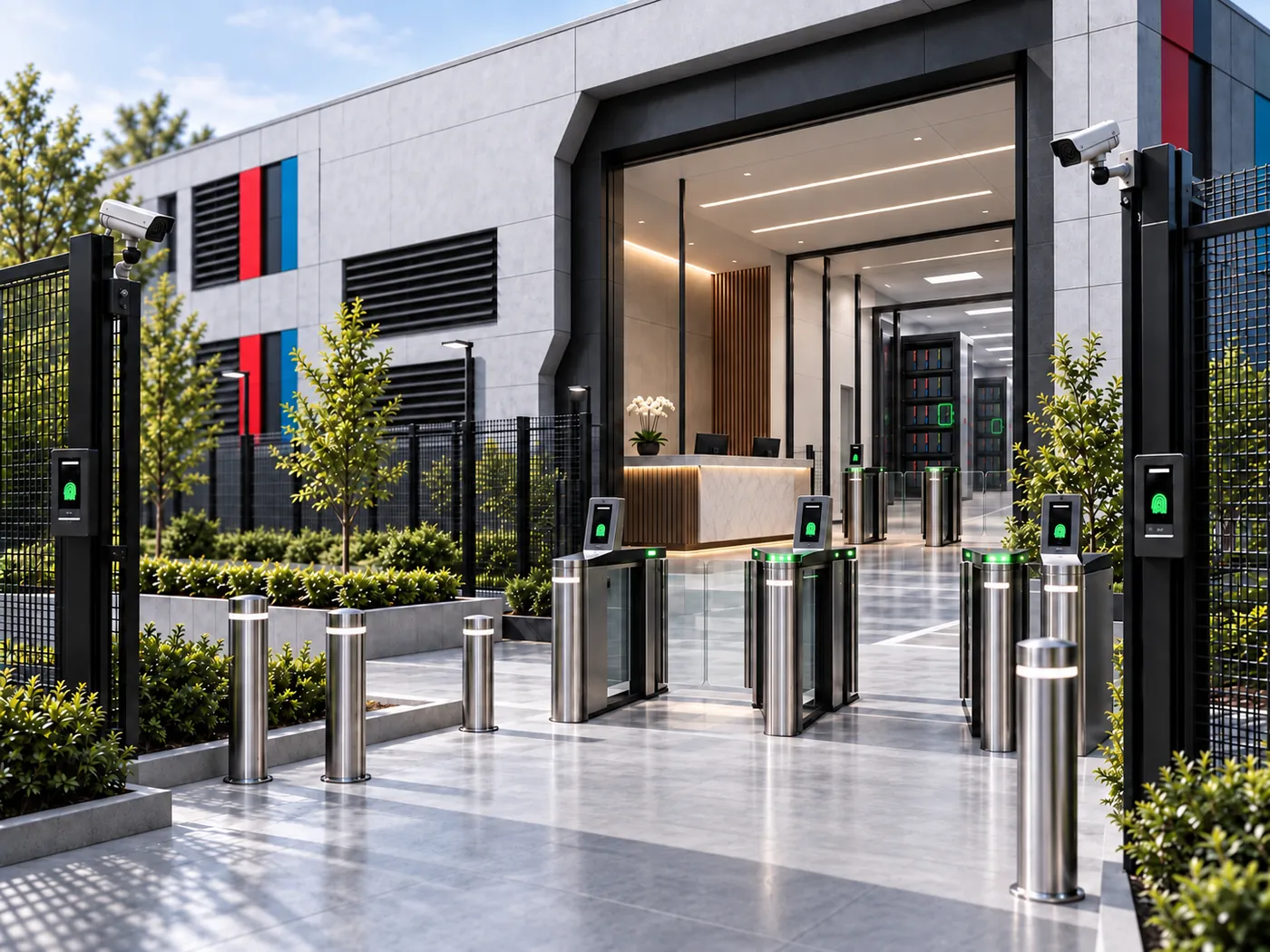
Online when you need it. Offline when you do not.